Official recognition
Listed on the French National Register of Aptitude held by the National Council of the Order of Veterinarians (OA 801)

About me
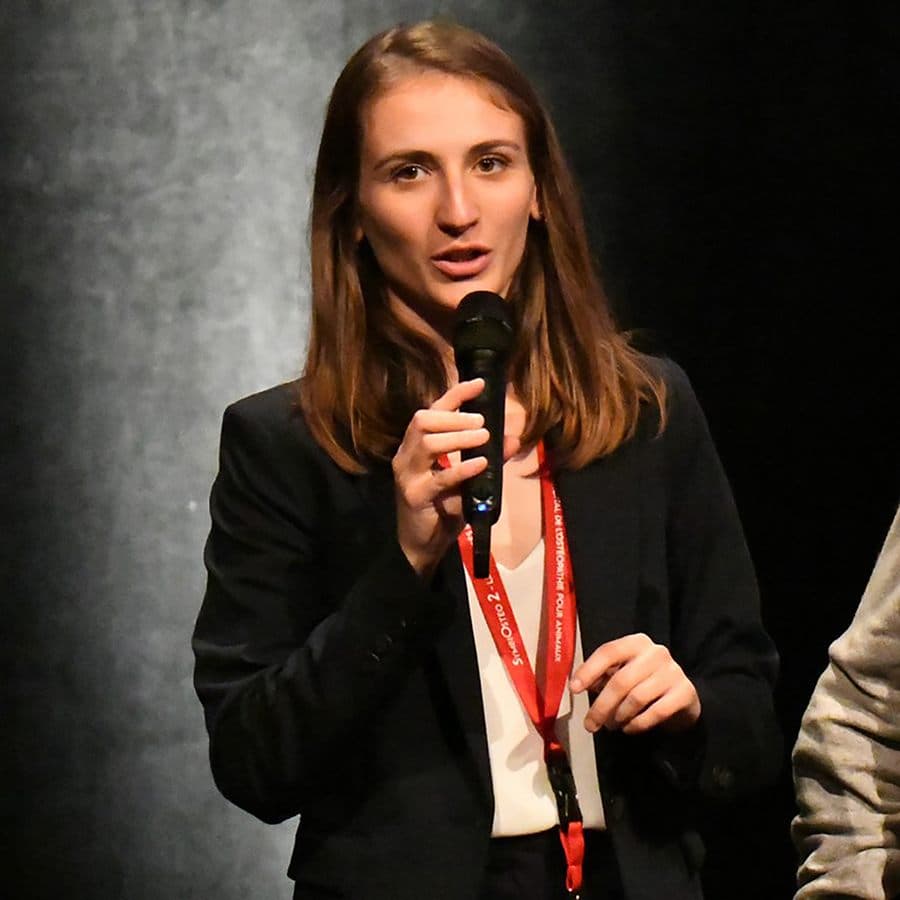
My background
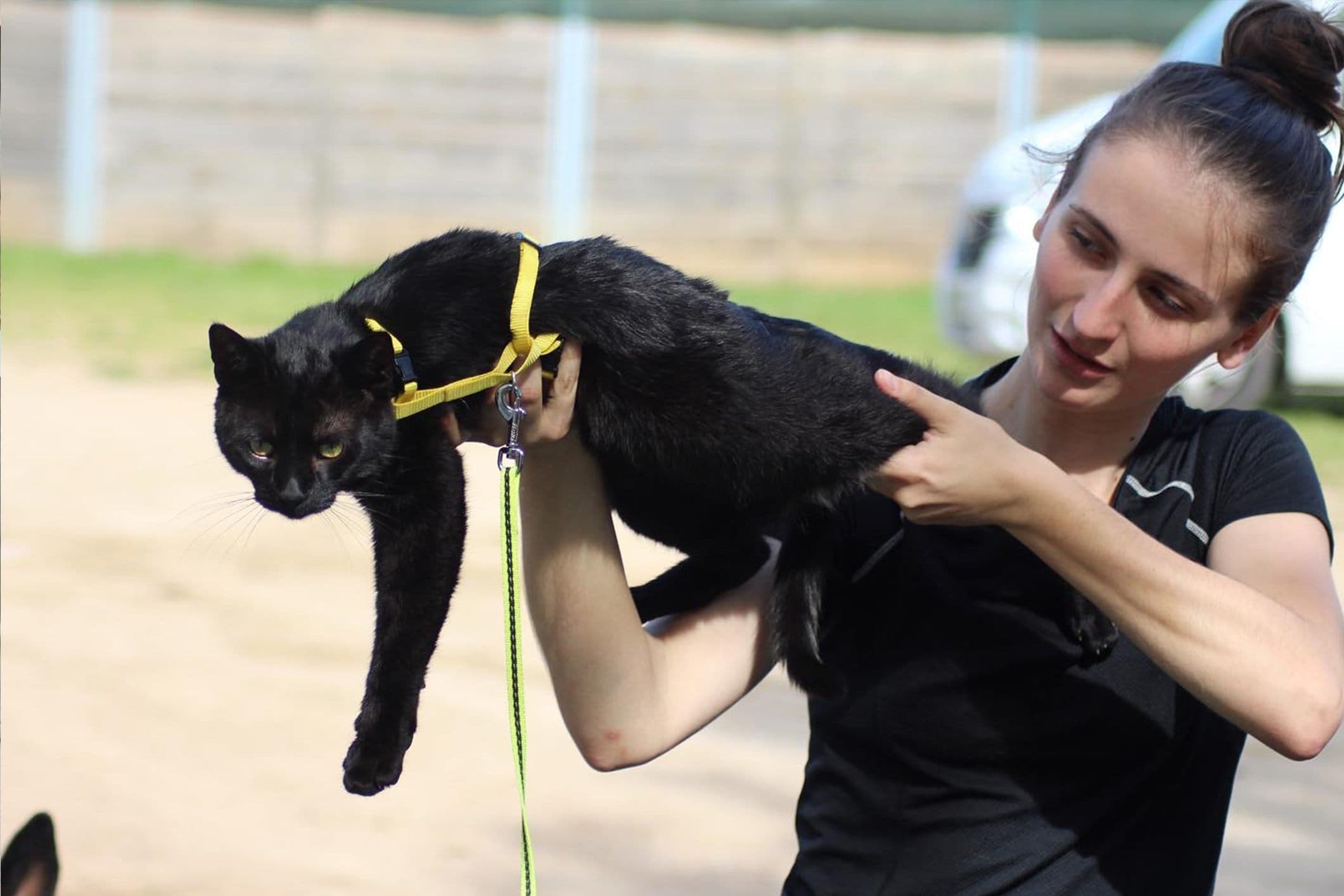
Passionate about animals and manual therapies for as long as I can remember, I naturally turned towards studies in animal osteopathy.
After five years of training and my registration on the National Register of Competence held by the CNOV, I settled in the Toulouse region, where I am originally from, in order to practise there from 2020 onwards.
Sport, and athletics in particular, has held an important place in my journey. It instilled in me values of rigour, perseverance and discipline that continue to guide my professional practice today.
Committed to supporting the development and recognition of animal osteopathy in France, I was involved for several years within associations working towards the structuring of the profession.
Read moreShow less
From 2017 to 2020, I served as President of the Union Française des Étudiants Ostéopathes Animaliers (UFEOA), before co-founding the Collectif des Ostéopathes Animaliers, within which I remained actively involved from 2020 to 2025. This has since become the national union representing professionals registered on the RNA held by the CNOV.
Driven by a desire to create connections between the various stakeholders in animal health, I initiated the organisation of the SymbiOsteo conferences in 2019 and 2022, and later co-created the SymbiOsteo podcast in 2024. These projects aim to foster exchanges between veterinarians practising osteopathy, animal osteopaths and human osteopaths, whilst highlighting developments in practice, current affairs and research prospects in this field.
In 2025, I wished to deepen my knowledge and develop an approach more oriented towards scientific research. I therefore enrolled in the Master 2 'Gestion des Établissements de Formation et de Recherche en Santé' at the Université de Haute-Alsace in Mulhouse. This training led to my first scientific publication in the integrative health journal Hegel: 'Ostéopathie, chiropraxie, thérapies manuelles: analyse bibliométrique (1949–2025)'.
Fields of practice
Who is animal osteopathy for?
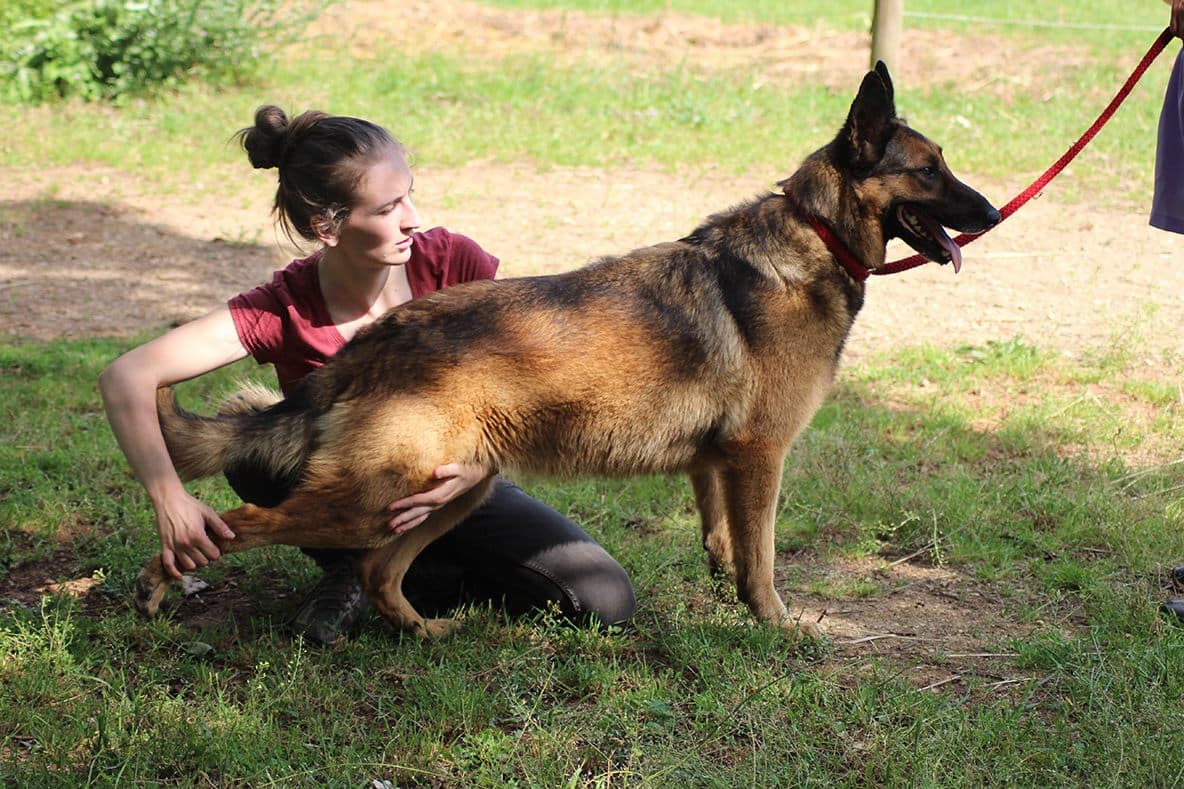
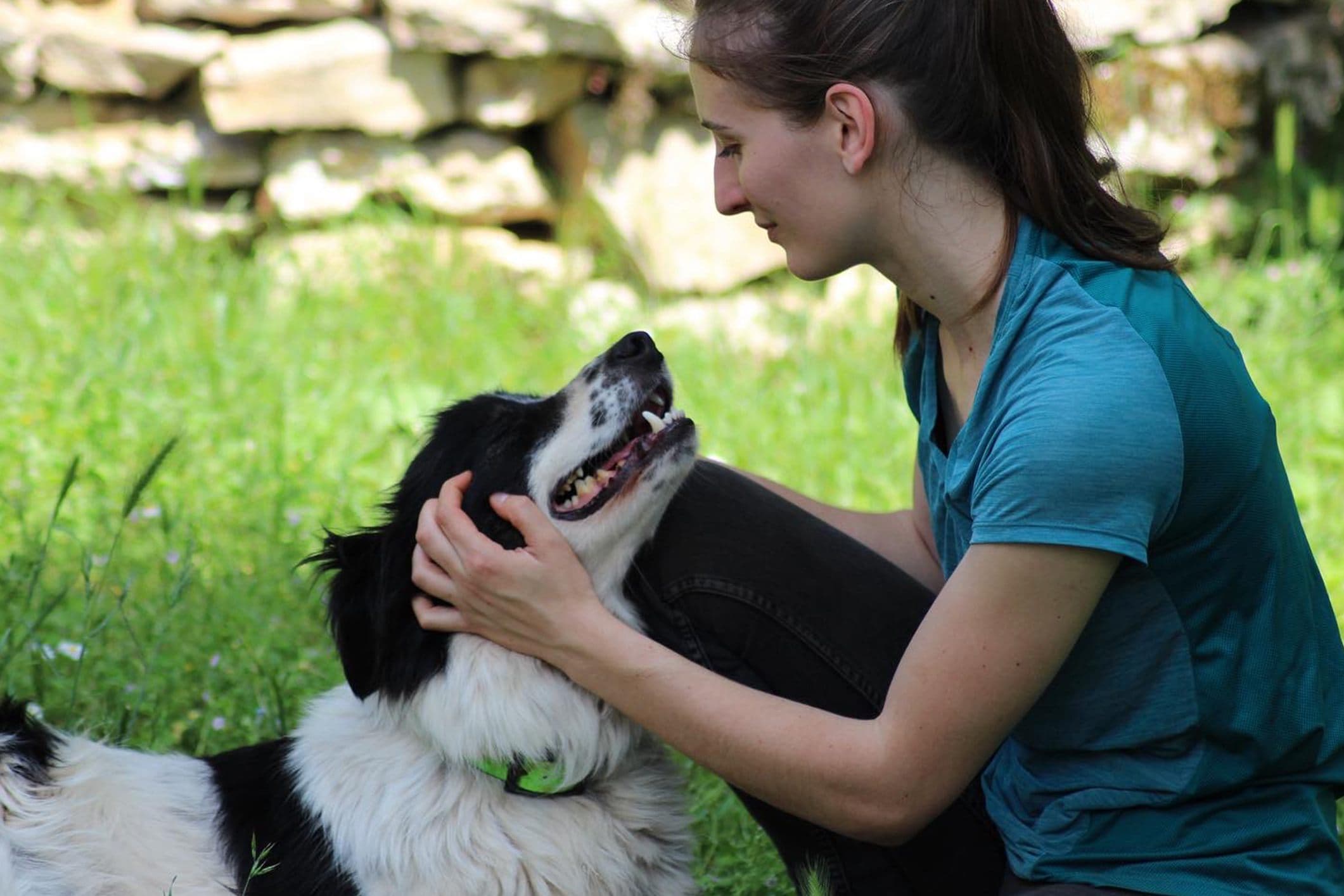
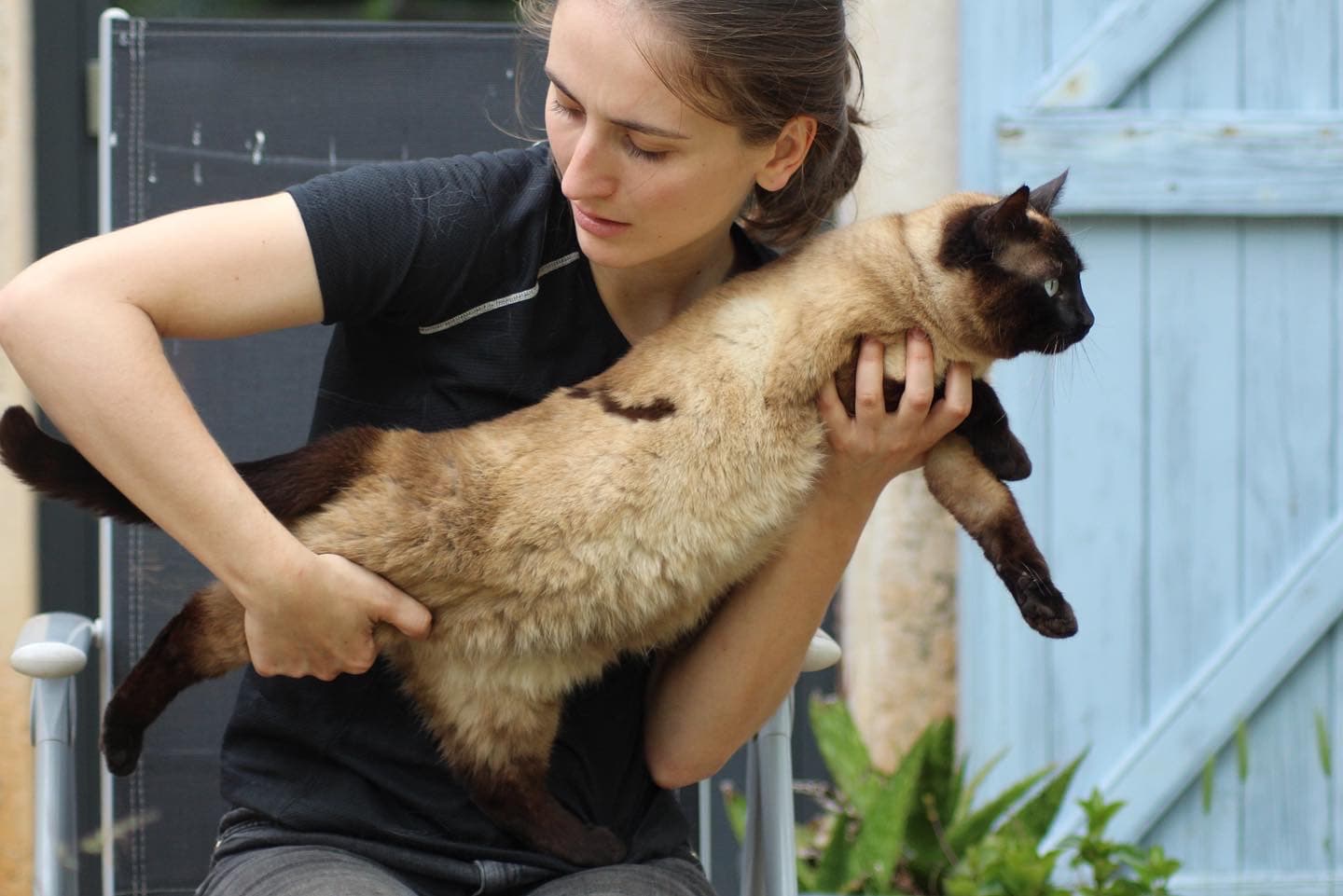
Dogs · Cats · Exotic pets
Companion animals
- Support growth, development and ageing.
- Optimise recovery after trauma or surgery.
- Intervene following an episode of lameness in order to restore optimal locomotor function.
- Contribute to the overall management of certain chronic or recurring conditions.
- Take part in the functional follow-up of animals presenting certain chronic digestive disorders.
- Assist in the follow-up of certain metabolic disorders.
- Contribute to the care of breeding animals and related issues, alongside breeders and referring veterinarians.
- Provide ongoing follow-up for sporting animals.
- Provide support alongside behavioural care, working with veterinarians and specialist trainers.
- Follow up adopted animals and/or those with a difficult life history.
- Promote general well-being.
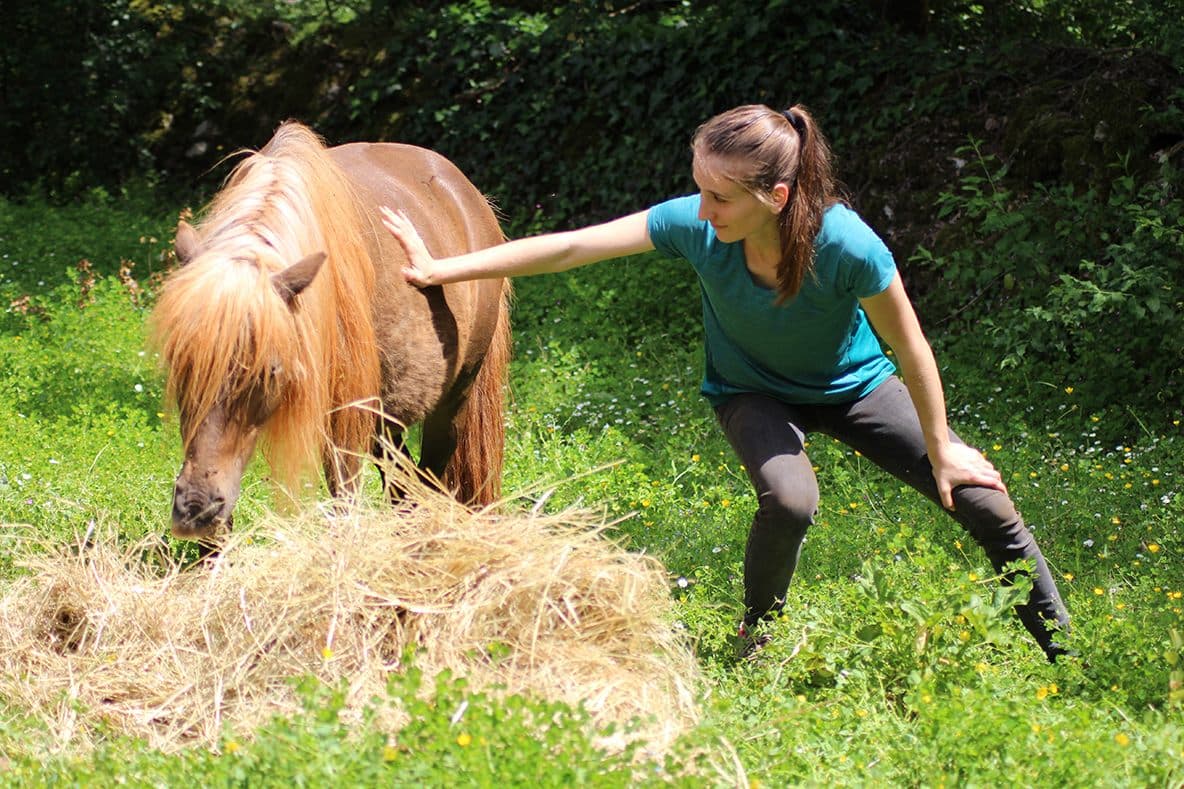
Racehorses, sport horses, leisure horses · Donkeys · Mules
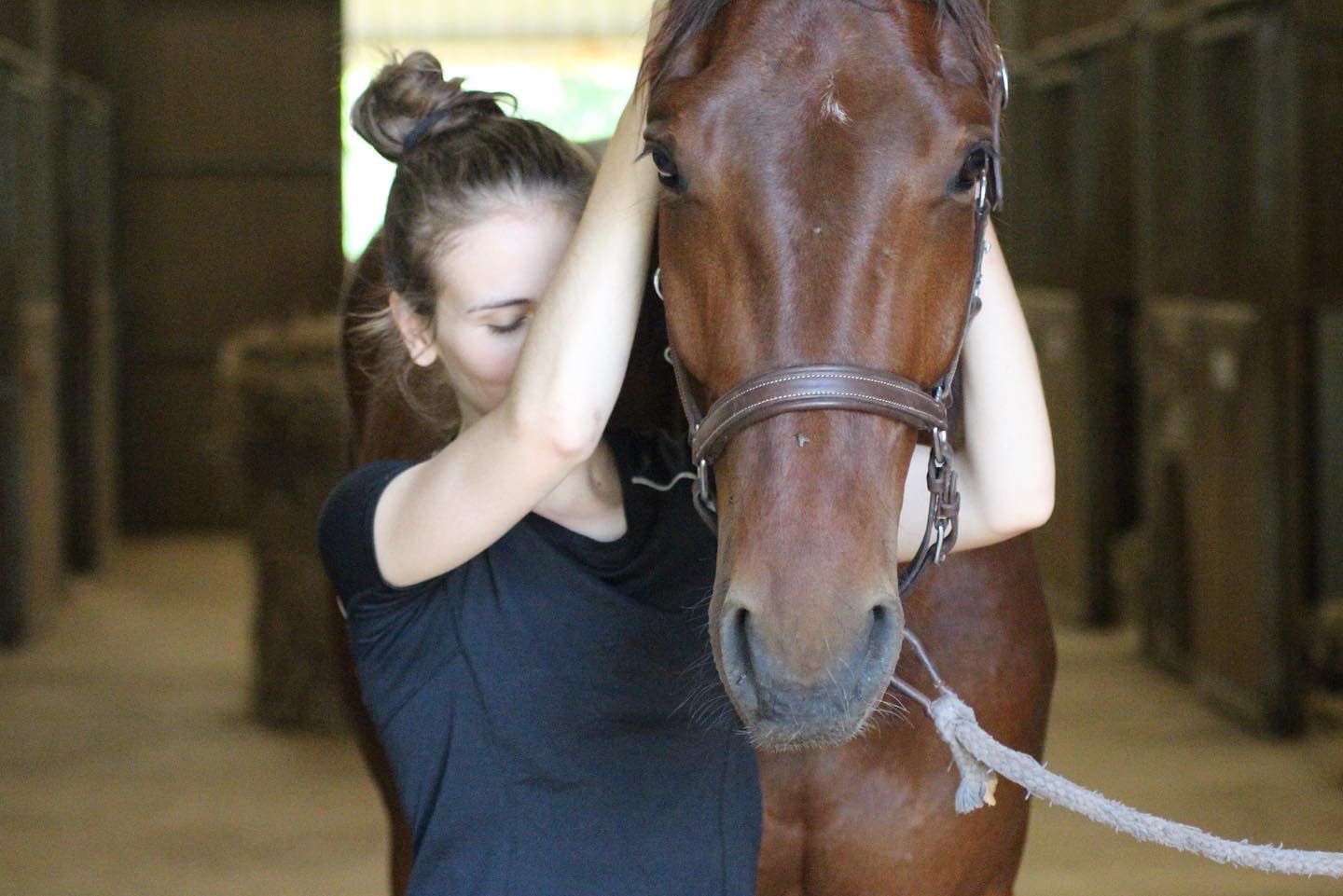
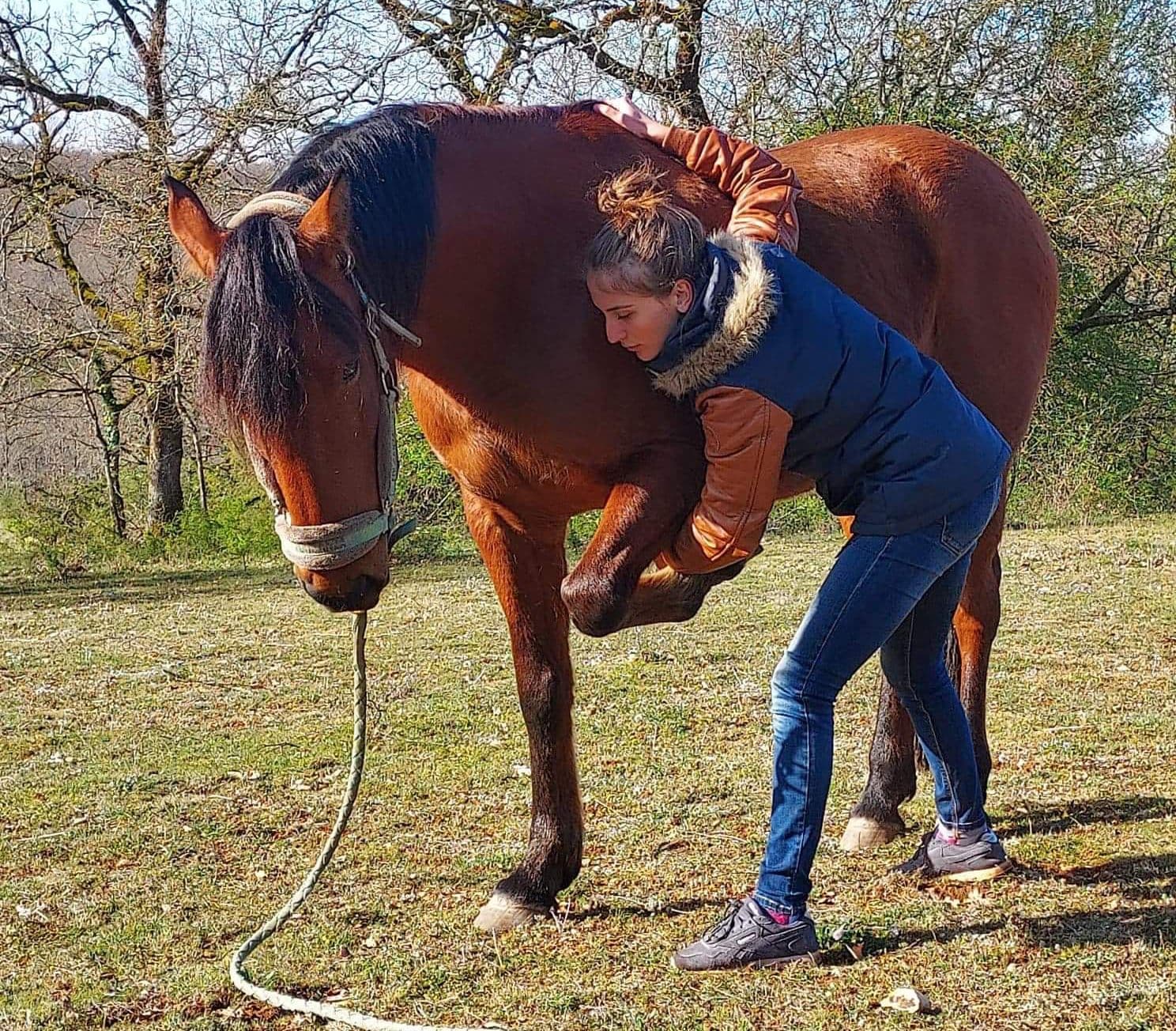
Equines
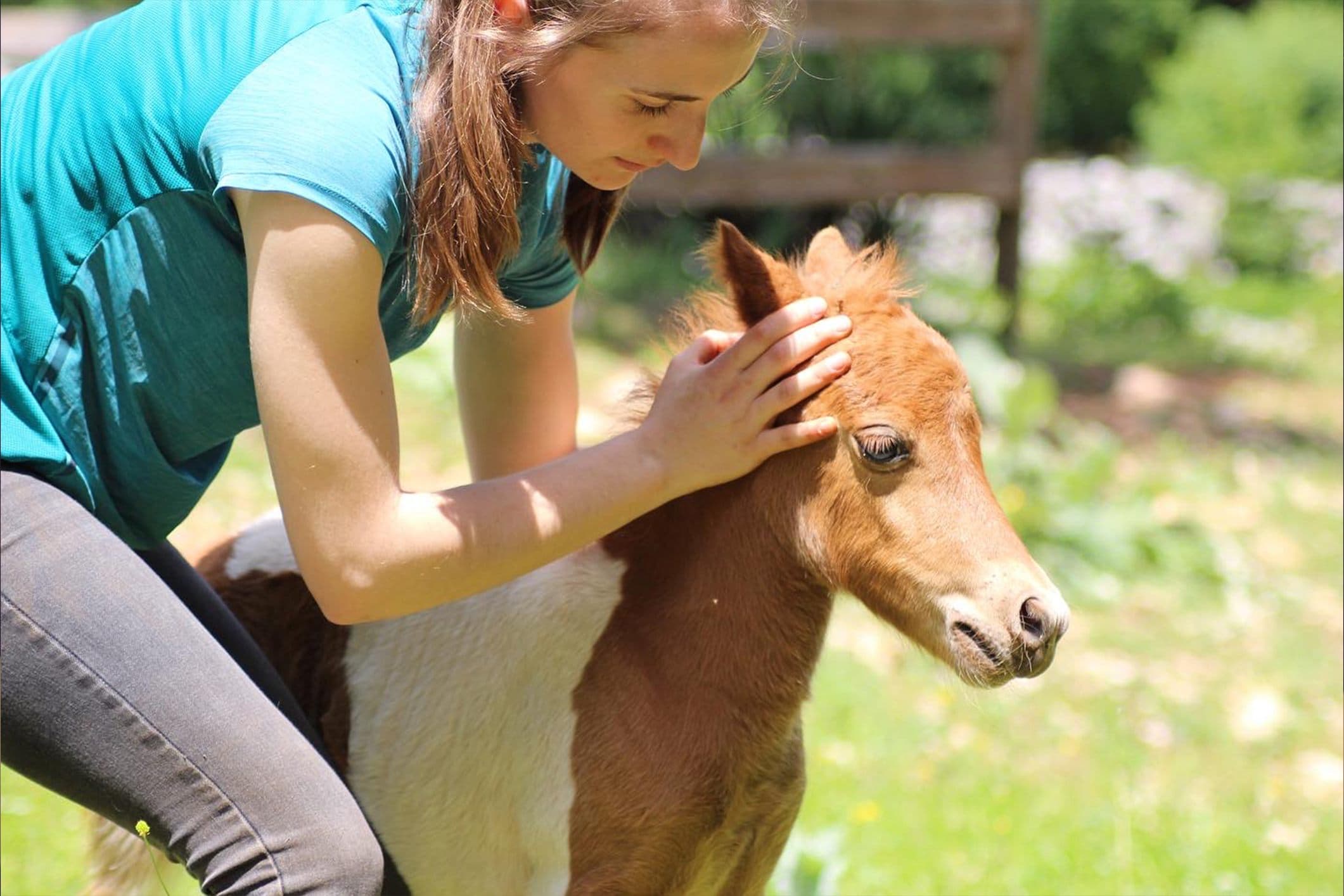
- Follow the foal throughout its growth and contribute to the proper development of its limb alignment, in collaboration with farriers and veterinarians.
- Optimise the follow-up and performance of the athletic horse.
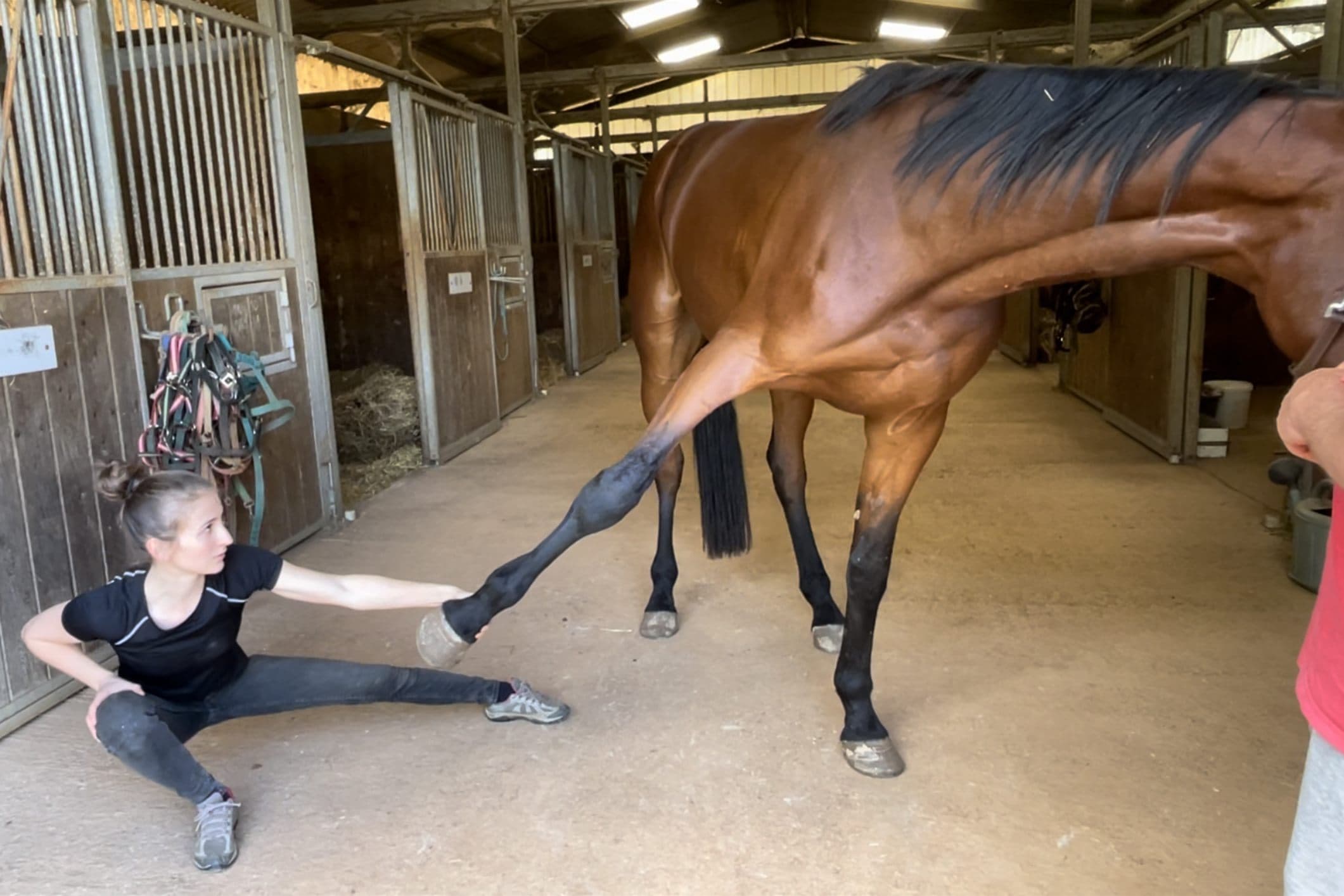
- Improve locomotion, posture and suppleness.
- Take part in the overall follow-up of horses suffering from metabolic or endocrine disorders.
- Adapt follow-up care for horses presenting chronic disorders (neurological, cutaneous, digestive).
- Contribute to functional recovery after intense exertion or a period of convalescence.
- Support the follow-up of equine reproduction, in collaboration with stud farms, breeders and veterinarians (follow-up of stallions, follow-up of mares: fertility issues, gestation, post-foaling).
- Assist during transition phases.
- Contribute to the comfort of the older horse.
- Collaborate, through an interdisciplinary approach, on overall care with animal health and welfare professionals.
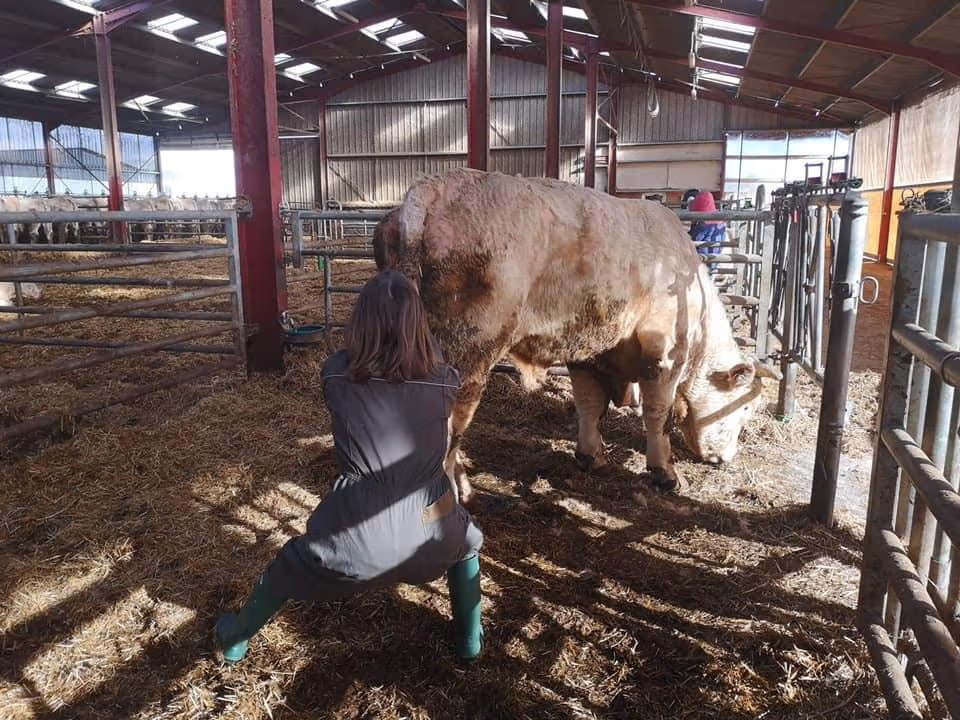
Cattle · Sheep · Goats · Pigs
Farm animals
- Promote the harmonious development of young animals.
- Take part in the follow-up of breeding animals (both males and females: fertility issues, gestation, post-birth).
- Improve locomotion and posture.
- Act in collaboration with the veterinarian when the animal loses condition and is no longer able to move.
- Take part in the follow-up of show animals.
- Contribute to animal welfare and their adaptation to farming constraints.
- Optimise milk production.
Animal osteopathy appointments
How to book an appointment
Appointments are made by telephone; if I am unavailable, please leave me a text message with the reason for your call, your address and your availability.
Since January 2025, I have delegated my schedule to my assistant, Anne-Sophie. She will contact you back as soon as possible to answer your questions and arrange your appointment. I nevertheless remain available to discuss your animal's specific situation whenever needed.
- To reach your osteopath directly : 06 37 88 00 73
- Reception desk number : 06 79 74 97 77
Consultation fees depend on your location; to find out the exact amount, please ask when booking your appointment.
Accepted payment methods: cheque, bank transfer or cash.
Area covered
Where consultations take place
At your home, in Occitanie and Nouvelle-Aquitaine
About 1 hour 45 minutes' drive around Toulouse, across the following nine departments:
- 31Haute-Garonne
- 81Tarn
- 82Tarn-et-Garonne
- 47Lot-et-Garonne
- 46Lot
- 32Gers
- 33Gironde
- 12Aveyron
- 09Ariège
- 11Aude
At the practice, every Friday afternoon
Val Dadou veterinary practice, in Graulhet (81).
To book an appointment there, please contact the practice directly on 05 63 34 51 52
- The purple dots mark the towns visited regularly.
- The blue dots mark towns visited occasionally, beyond 1 hour 45 minutes' drive.
Tours in French Guiana, twice a year
Home visits and consultations at the following places:
- Clinique vétérinaire de l'Ouest in Saint Laurent du Maroni
- Salon de Toilettage la Niche du Bien être in Matoury
- Salon de Toilettage Louloustars in Cayenne
Tours in Italy, three times a year
Home visits and at the following locations:
- Pisa
- Florence
- Bologna
- Parma
- Milan
These tours remain occasional; I practise mainly in France throughout the year. If a consultation cannot wait until my return, a trusted colleague takes over the care of your animal. Where applicable, my reception desk will arrange an appointment with that same person.
Animal osteopathy session
A consultation in six steps
Case history — gathering information on your animal's health and creating your file
Discover DjookaEach consultation begins with a discussion to gather the essential information about your animal and the reason for the osteopathy session. Its medical history, lifestyle, behaviour, diet, activity and environment are all discussed in order to gain a comprehensive view of its situation.
This step allows your osteopath to place the animal within its living context and to tailor the clinical and osteopathic examination accordingly.
Your animal's file is then created and securely stored via Djooka, the digital health record dedicated to animals. You will find the consultation reports as well as the associated invoices there.
Locomotor and static examination
The consultation continues with a dynamic and static observation of your animal.
The analysis of locomotion allows the quality of movement, the symmetry of gaits and the range of motion to be assessed, as well as identifying any restrictions in mobility, compensations or gait irregularities.
The static observation complements this examination by looking for any postural imbalances, weight shifting, pain-related postures or bodily adaptations that may indicate functional discomfort.
The opportunity or exclusion diagnosis
A thorough palpatory examination is then carried out to confirm that your animal is indeed suitable for osteopathic care.
This step helps identify any warning signs requiring prior or complementary referral to your veterinarian. Osteopathy is always practised within the scope of its competence and as a complement to veterinary follow-up when this is indicated.
The osteopathic diagnosis
Using a precise manual examination, the osteopath assesses the mobility of the joints, muscles, fasciae, viscera, skull and various tissues of the body.
This overall assessment helps identify restrictions in mobility, functional adaptations and compensations that may contribute to the imbalances observed.
A summary is then presented and explained to you before the osteopathic treatment is carried out.
The osteopathic treatment
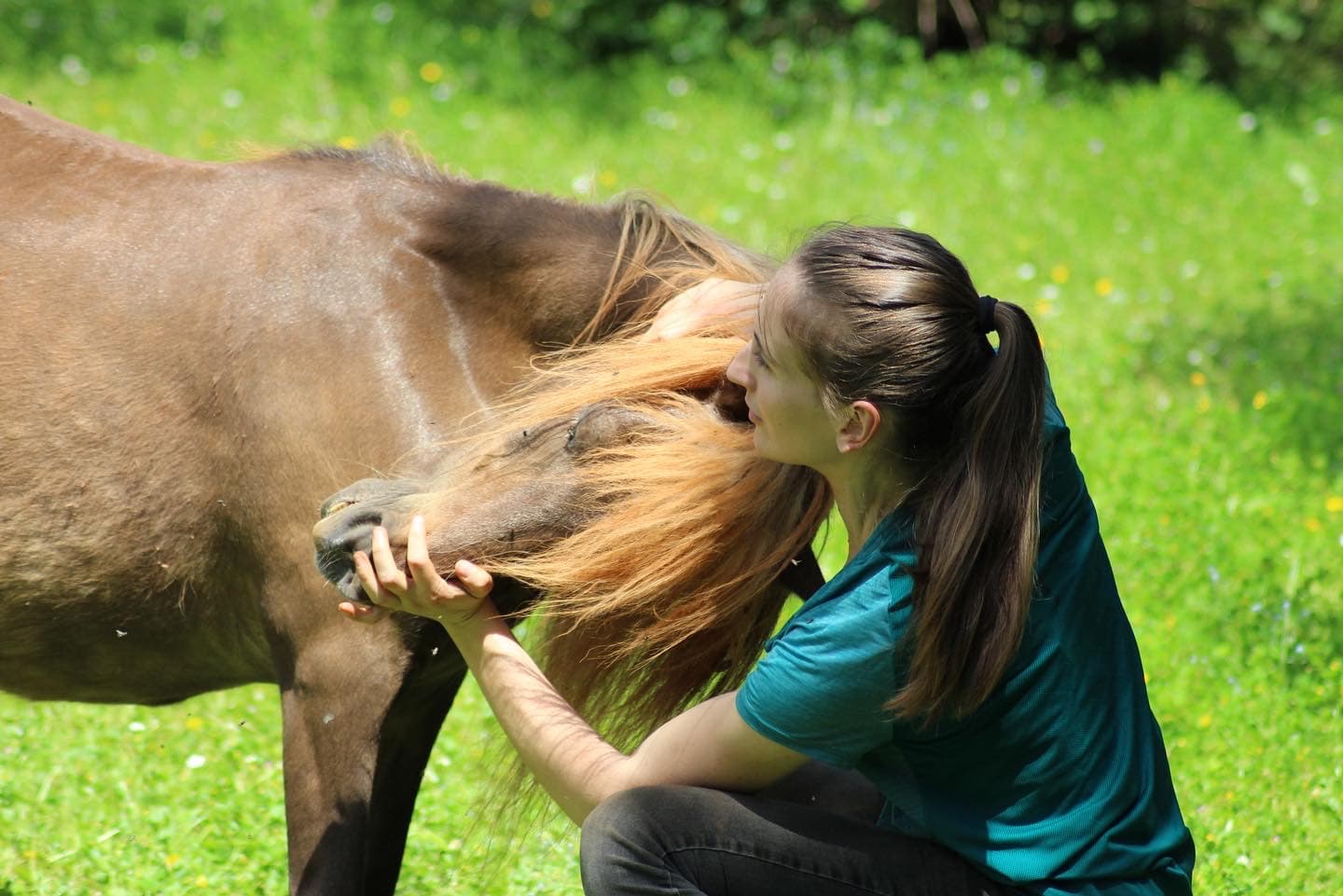
Treatment relies exclusively on manual techniques adapted to each animal, its species, age, activity and the reason for the consultation.
The aim is to restore optimal tissue mobility, improve the quality of movement, support the body's capacity for adaptation and contribute to the animal's functional comfort.
My practice draws on various complementary approaches: musculoskeletal, myofascial, tissue-based, visceral, fluid-based, cranial, reflex and tensegrity-based.
Post-session advice
At the end of the session, you will receive a report along with personalised recommendations tailored to your animal's needs.
This advice covers, among other things, rest management, the gradual resumption of activity, any recommended exercises, as well as points to watch for in the days following the consultation.
The aim is to promote optimal recovery and to place the care within an overall health and well-being approach, in collaboration with your veterinarian where necessary.
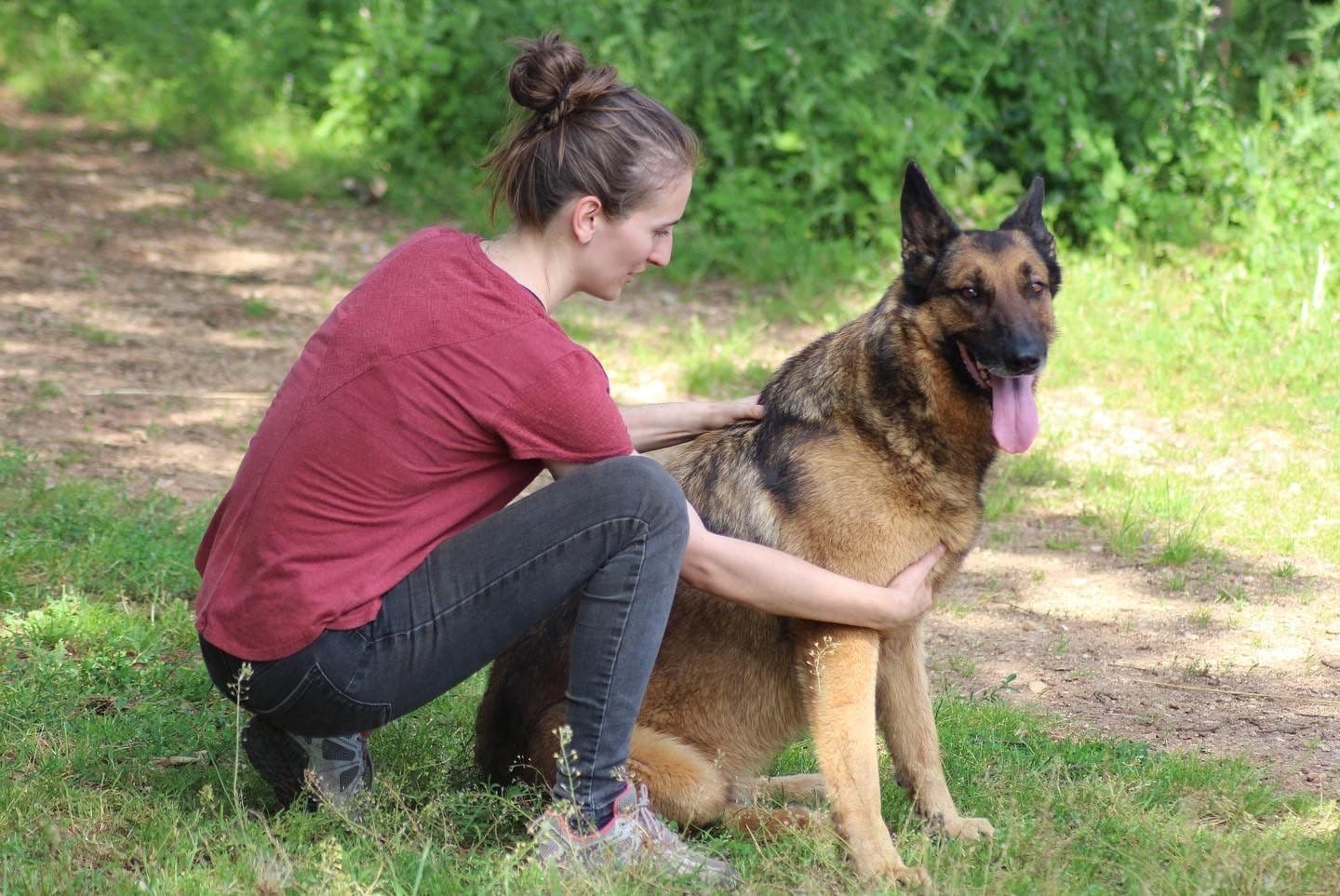
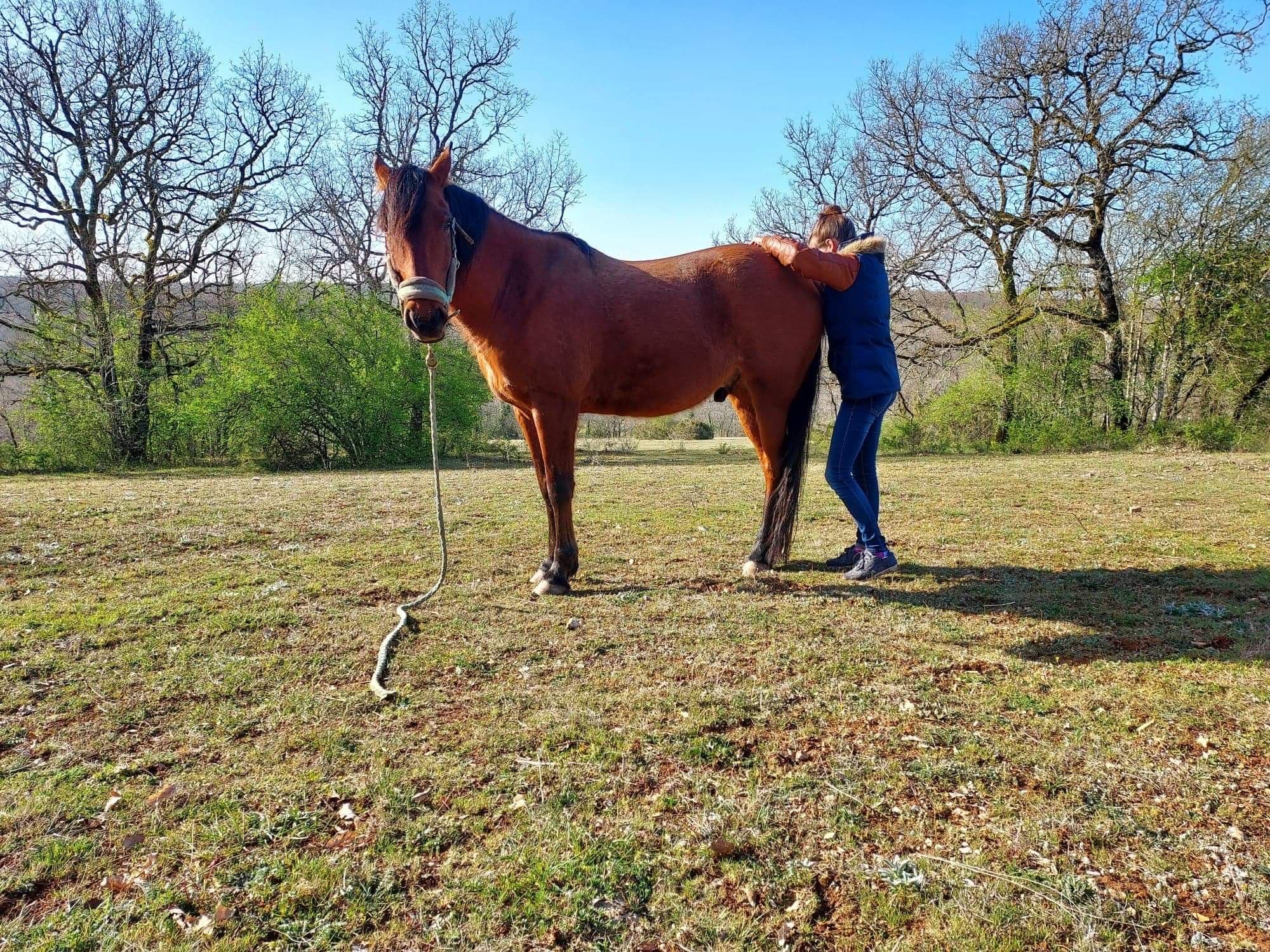
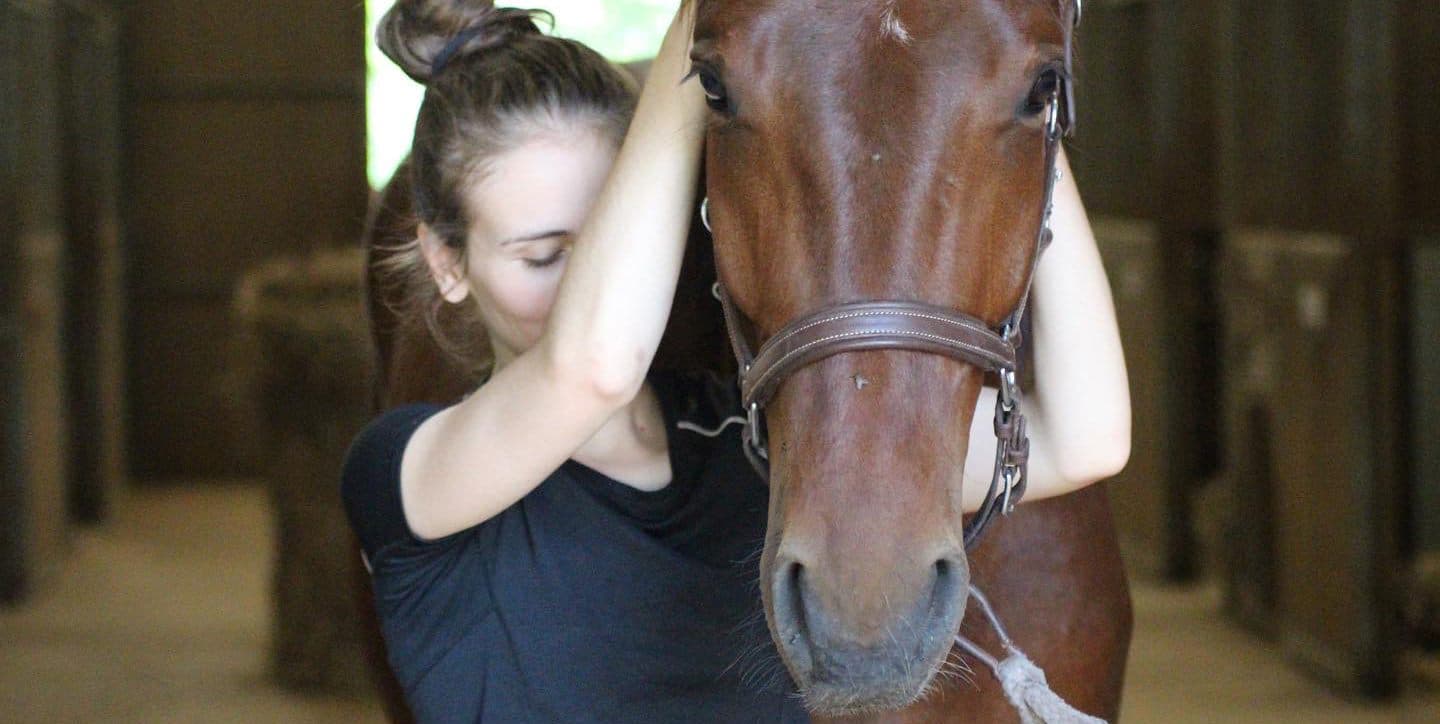
By your side for your animal's health and well-being
What owners say
5.016 Google reviewsL'élevage du Haut Dagour (dogues allemands) fait une confiance totale en Marie ! Nos multi champions passent…
July 2026
En tant qu'éleveuse de Golden Retrievers, je recherchais une ostéopathe compétente, douce, à l'écoute, professionnelle…
July 2026
Marie suit ma jument depuis plus de 5 ans ainsi que mes deux chats et le chat de ma maman. Grâce à elle tous mes…
October 2025