Bovine, ovine, caprine and porcine osteopathy
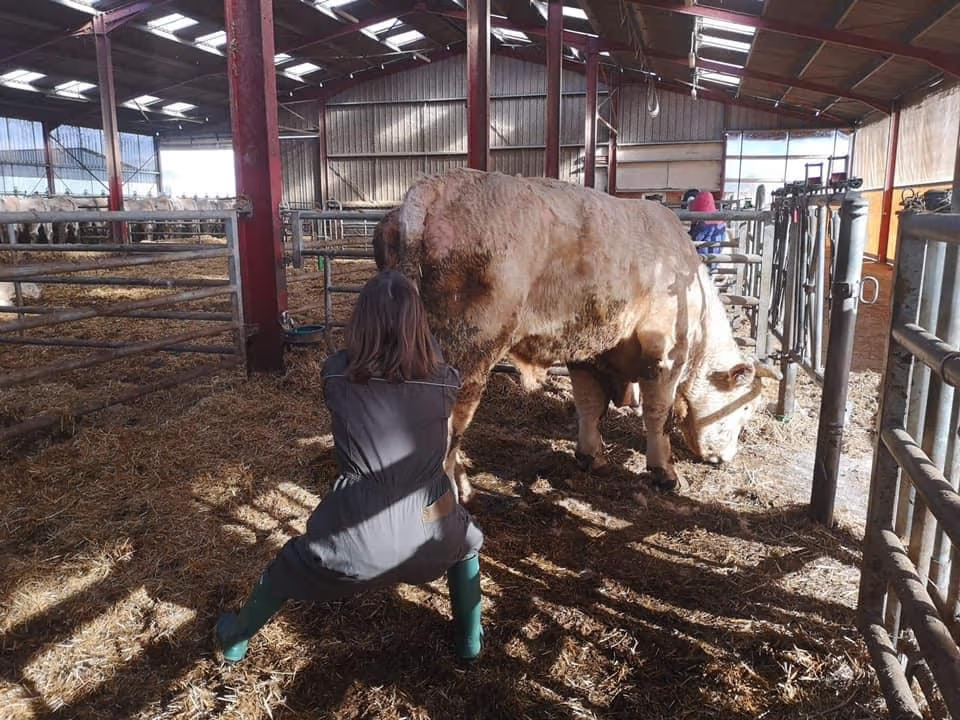
Rural osteopathy for farm and production animals
Animal osteopathy developed within the farming sector from the 2000s onwards. Historically, farmers in rural areas have always relied on traditional manual practices to support their animals through certain functional difficulties.
Main coverage in departments 31, 81, 82, 47, 46, 32, 33, 12, 09 and 11. Other departments may be considered when tours are organised.
Today, animal osteopathy continues this tradition by offering a structured manual approach, suited to current animal welfare standards and complementary to veterinary care.
Having grown up in a rural environment, I was fortunate to spend time around various farm animals (dairy cattle, pigs, rabbits). This closeness to the farming world helped me understand the realities on the ground and the daily challenges faced by farmers.
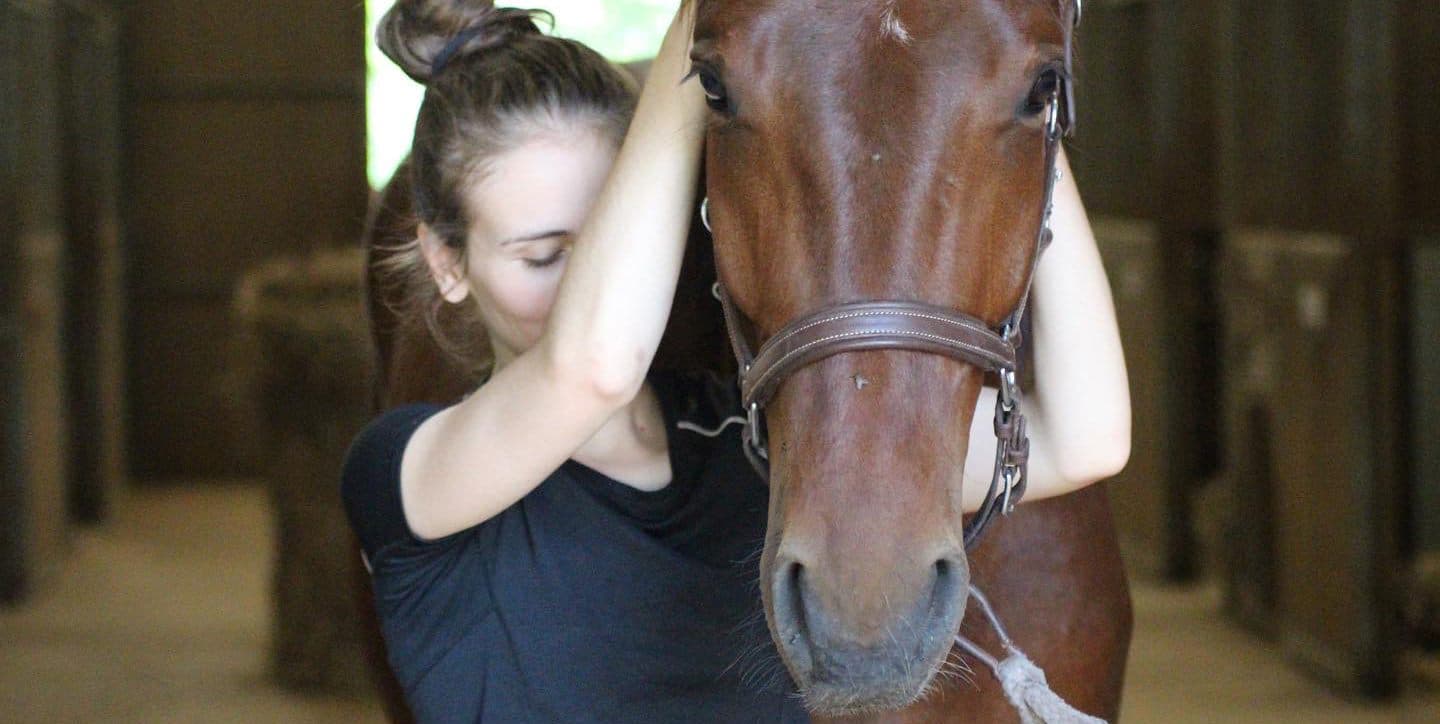
Through animal osteopathy, the aim today is to contribute to the comfort of farm animals and support professionals in a comprehensive approach to animal welfare.
Some common reasons for consultation on farms
Animal osteopathy always acts as a complement to veterinary medicine and does not replace diagnosis or treatments prescribed by the vet. A consultation may be considered in particular in cases of:
- Functional analysis of the herd to identify situations that could benefit from osteopathic support
- Animals having difficulty moving or remaining recumbent
- Locomotor disorders and lameness
- Following trauma
- Reproductive issues (fertility, monitoring of breeding animals)
- Post-birth or post-calving monitoring
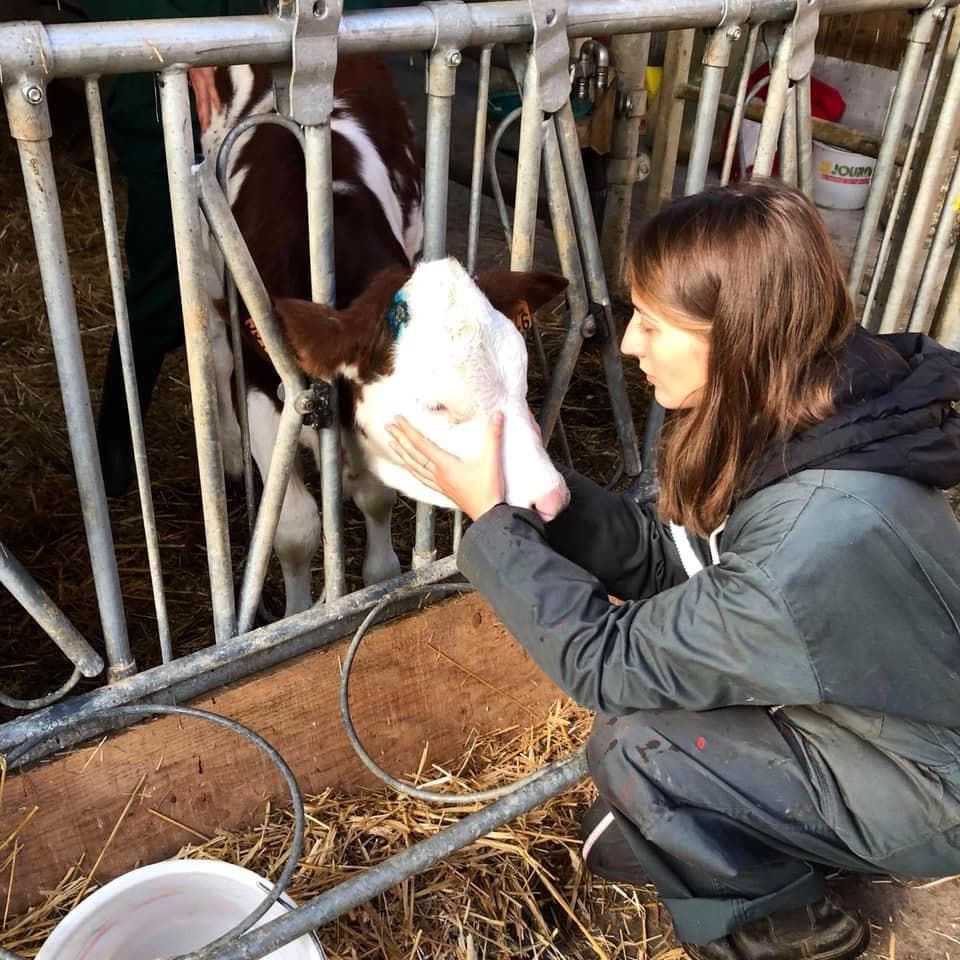
- Newborn adaptation difficulties (absence of suckling reflex, difficulty getting started)
- Decline in general condition
- Reduced production or milk yield
A holistic approach to farm animal wellbeing
The health and wellbeing of farm animals rely on comprehensive care combining several essential factors. Animal osteopathy fits into this approach alongside:
- Veterinary medicine
- Appropriate hoof care and dentistry
- A living environment suited to the animals' needs
- Farming conditions promoting comfort and natural behaviours
- Social interactions respecting the species' needs
- Enrichment of the living environment
- A suitable diet
- Complementary approaches that may contribute to animal welfare (acupuncture, herbal medicine)
The aim is to support farmers in a consistent, respectful approach tailored to the specific needs of each animal and each farm.