The discipline
About animal osteopathy
Its history, its approaches and its legal framework in France.
"Health is a state of complete physical, mental and social well-being and not merely the absence of disease or infirmity."
A recognised discipline
History of animal osteopathy
1980s
The beginnings, with equines
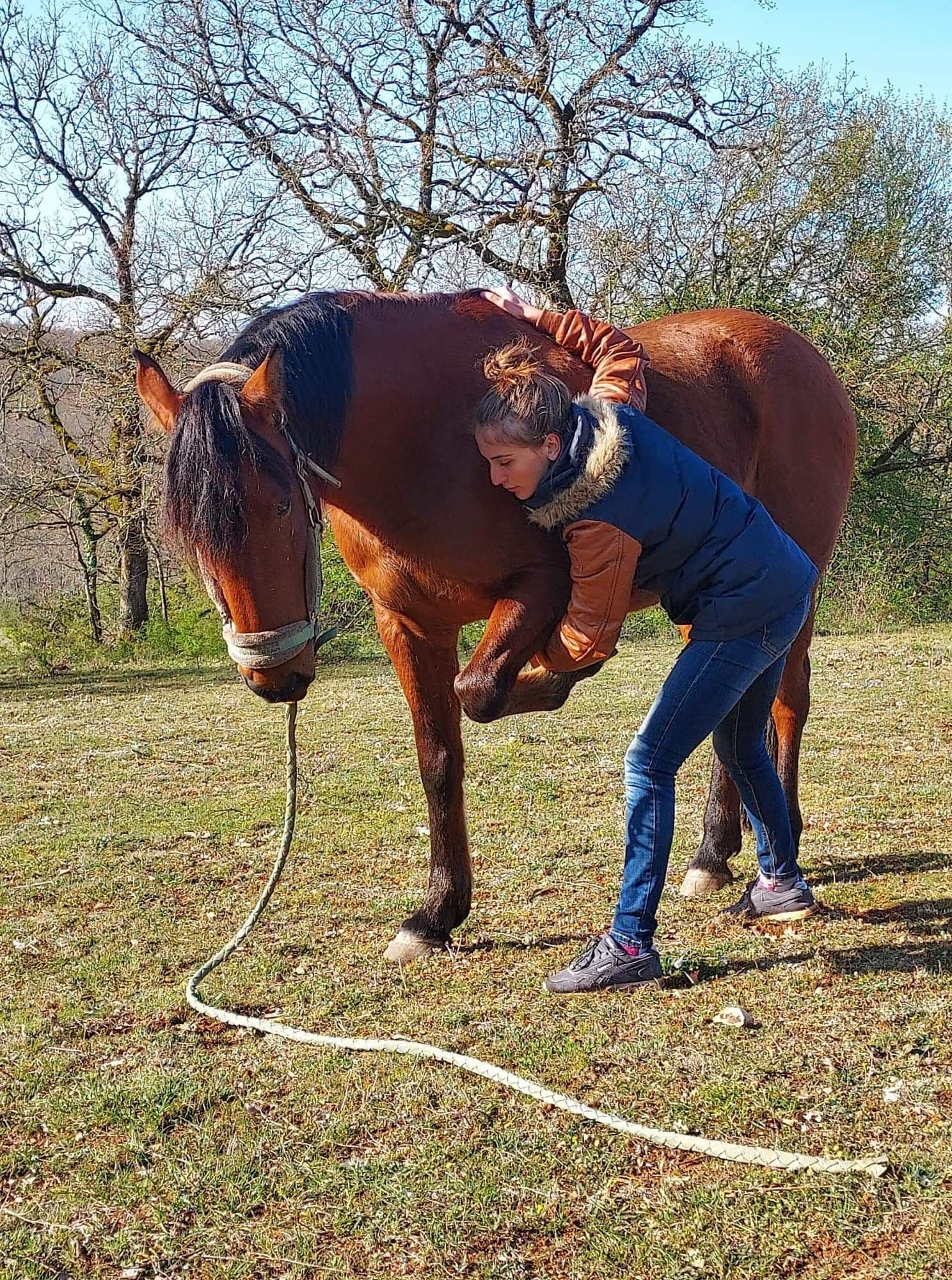
Animal osteopathy developed in France from the 1980s onwards. Initially applied to equines, it was adapted by veterinary surgeon Dominique Giniaux and human osteopath Pascal Evrard, who greatly contributed to its growth within the equestrian world.
2000s
Companion animals, then livestock
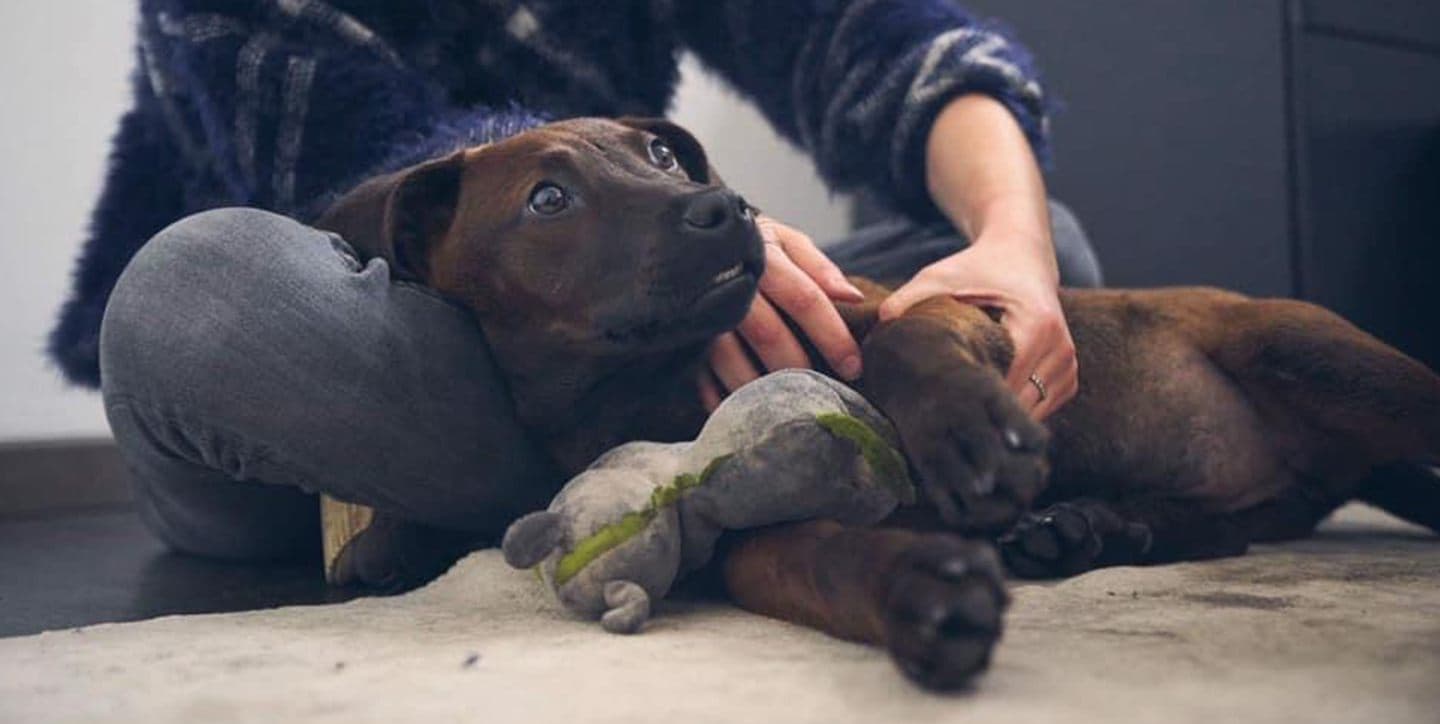
In the early 2000s, this discipline gradually extended to companion animals, notably thanks to the work of veterinary surgeon Francis Lizon.
A few years later, its development continued in the livestock sector, particularly driven by veterinary surgeon Jean-Pierre Siméon, a pioneer of bovine osteopathy in France.
Today
A recognised complementary approach
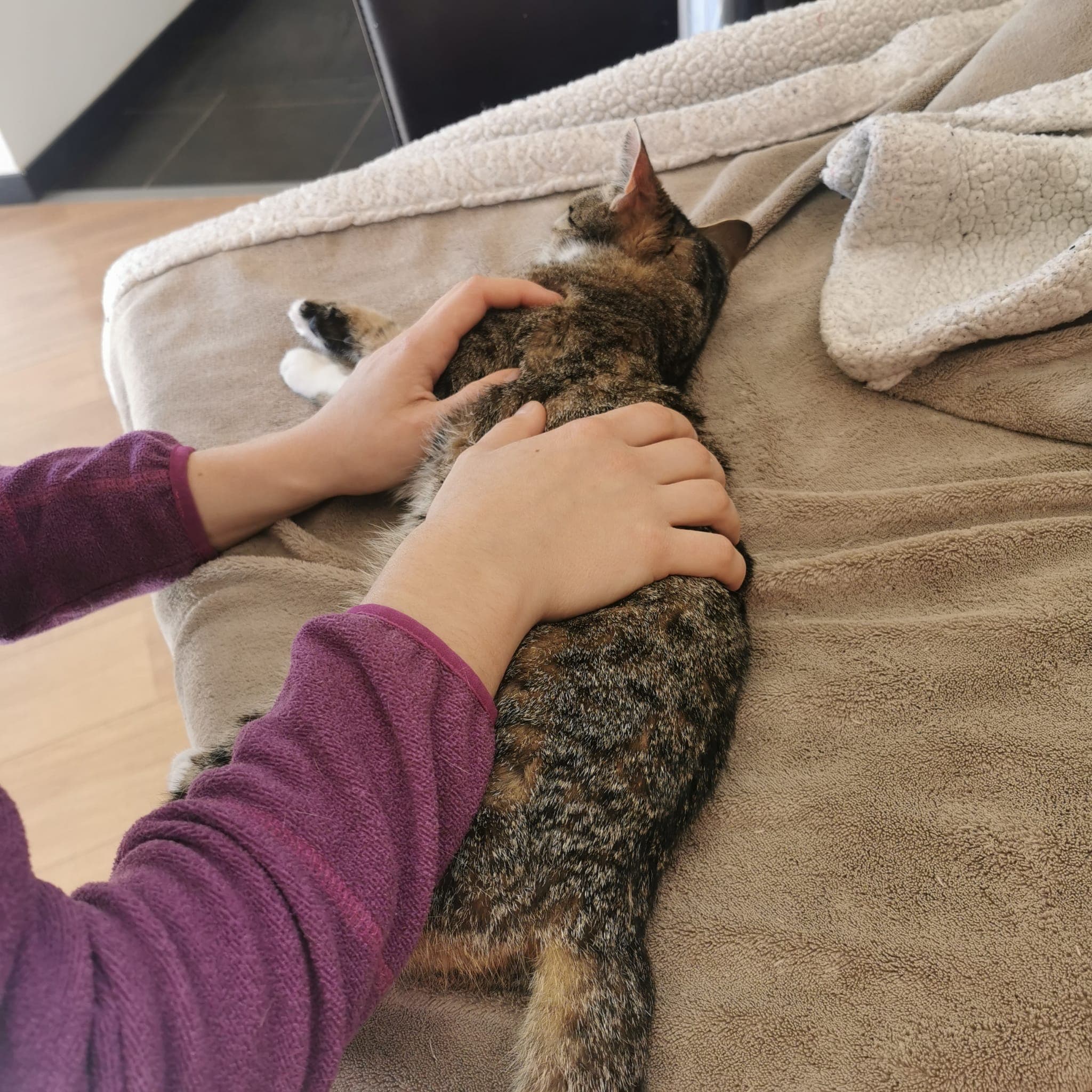
Animal osteopathy is practised on many species: companion animals, horses, livestock, but also sporting, working or performance animals.
Over recent decades, complementary approaches to animal health have grown considerably. More and more owners wish to incorporate manual therapies into their animals' medical care, as part of a comprehensive approach to prevention, comfort and well-being.
Thanks to its exclusively manual approach, it provides a comprehensive functional assessment of the animal, focusing on the interactions between the body's different systems.
Animal osteopathy is a so-called natural integrative medicine: through its manual approach, it offers a different and complementary overall perspective to veterinary medicine.
Techniques
The 5 approaches in osteopathy
Musculoskeletal (bones, muscles, joints, ligaments, tendons)
Through this aspect of osteopathy, we work to rebalance the structure. This may involve techniques known as structural, myotensive or functional; either direct or indirect.
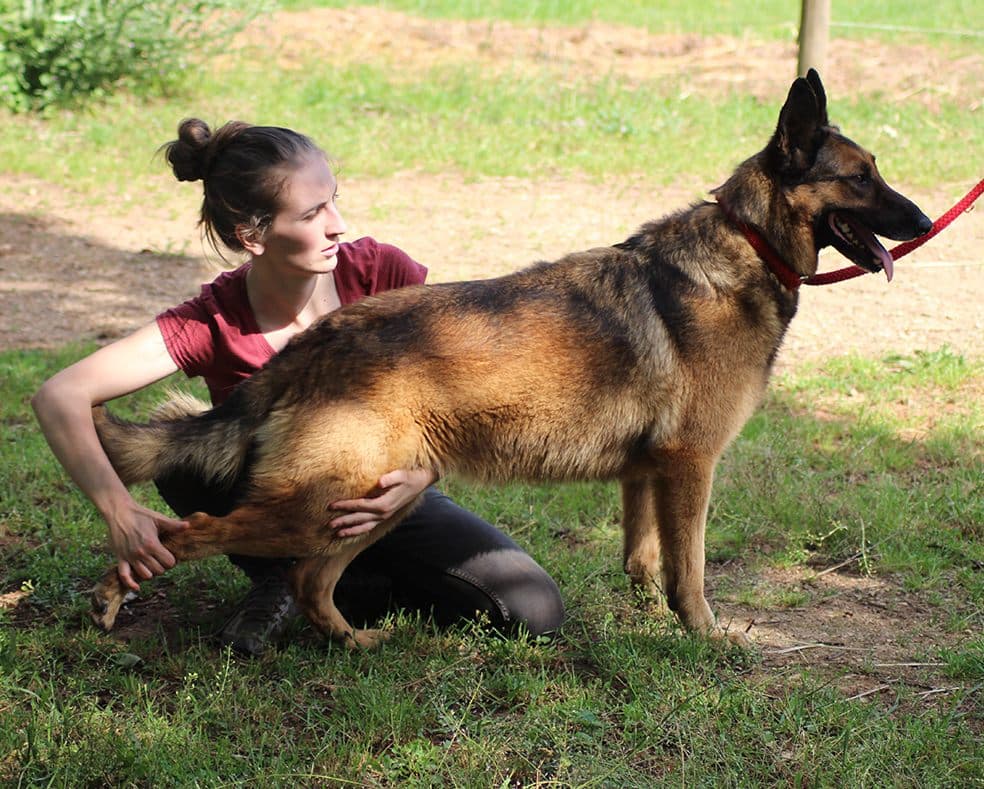
Tissue
These techniques can be applied across the whole body. They aim to improve the movement of a targeted structure or, more broadly, to restore good tissue communication from one end of the body to the other.
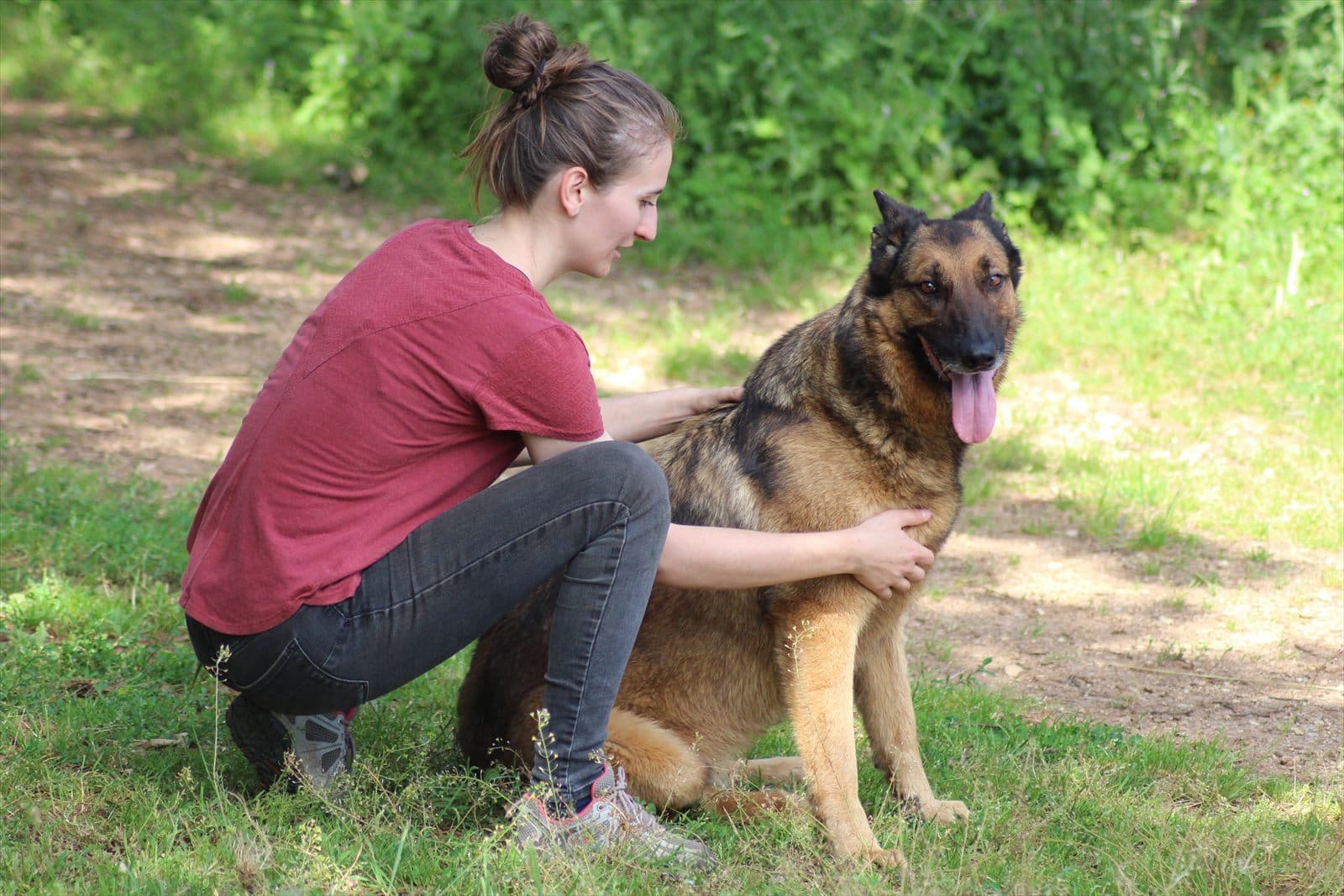
Fascial
The body is largely composed of fascia, initially described as mesoderm at the embryological stage. During the development of the embryo and foetus, this mesoderm differentiates into several types of fascia: superficial (dermis - hypodermis); intermediate (aponeuroses, serous membranes and splanchnic mesos, vessel sheaths); and deep (periosteum, tendons, dura mater).
In recent years, fascia has been the subject of much scientific research, and it fascinates osteopaths just as much.
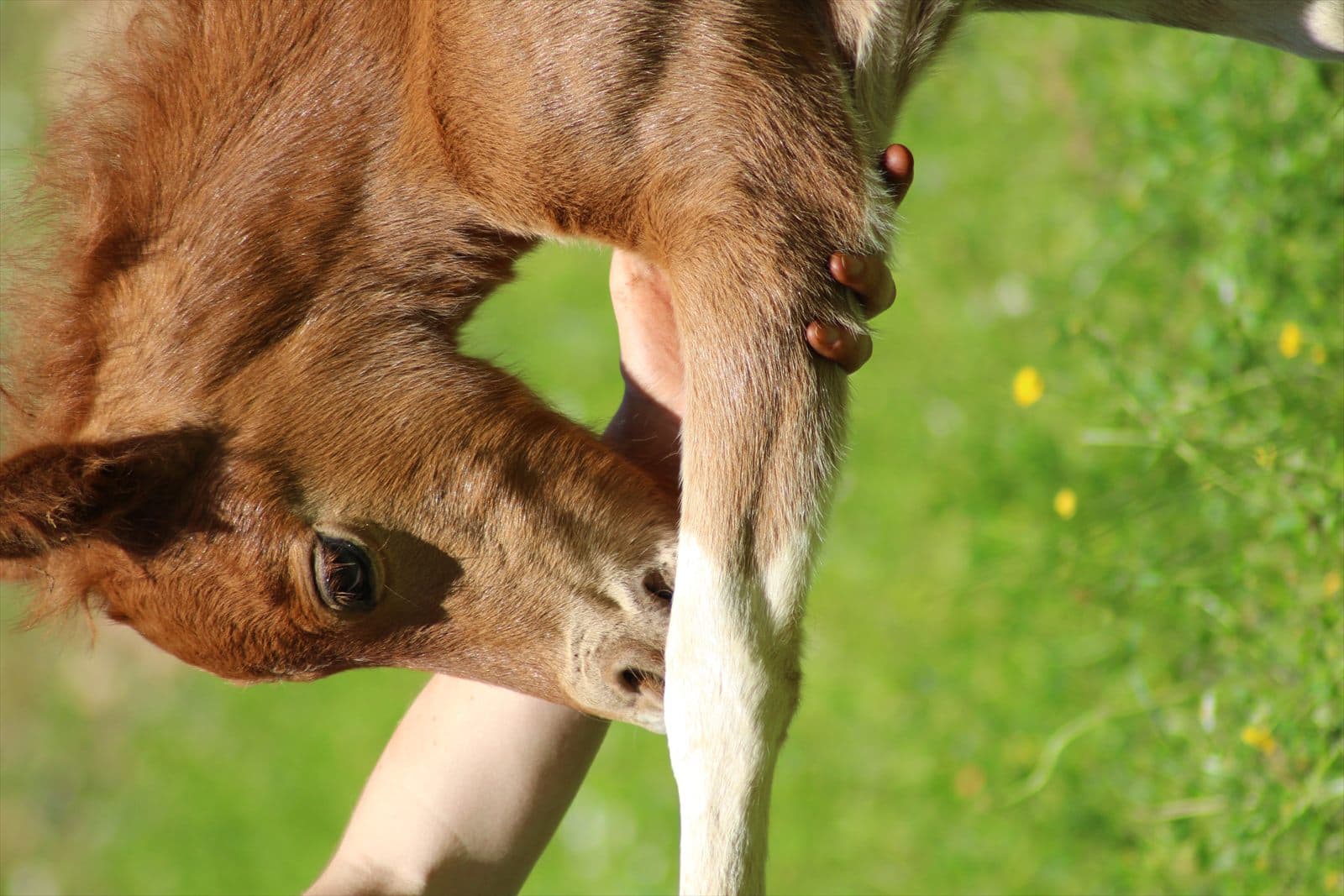
Visceral
We focus on the mobility of organs and their ligamentous attachments. My final dissertation notably examined the practice of osteopathy on the means of fixation of the various organs.
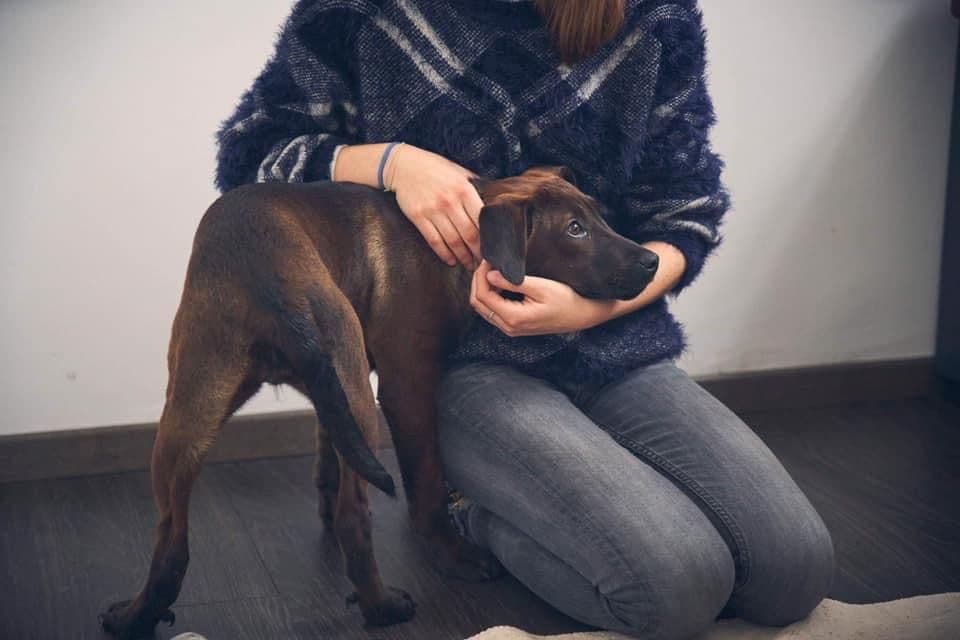
Reflex
Reflex techniques work locally on the skin to induce a deeper action within the body. I particularly enjoy performing drawn lines focused on certain areas, allowing for both a localised and overall action on the lymphatic, circulatory and nervous systems.
Scroll to discover them
Regulatory framework
Legislation
2011
Legal recognition of the practice
The Ministry of Agriculture recognises the practice of animal osteopaths under section 12° of Article L243-3 of the Rural and Maritime Fishing Code (CRPM).
2017
Decrees of 19 April
Animal osteopathy procedures may be carried out by non-veterinary practitioners who have passed the national aptitude test, are registered on the National Aptitude Register (RNA) and appear on the list maintained by the National Council of the Order of Veterinary Surgeons (CNOV).
Furthermore, animal osteopaths are required to refer owners to a veterinary surgeon when the animal's condition requires a medical diagnosis, treatment, or when the observed disorders fall outside the scope of osteopathy. This obligation is part of the code of ethics set out in the Rural Code.
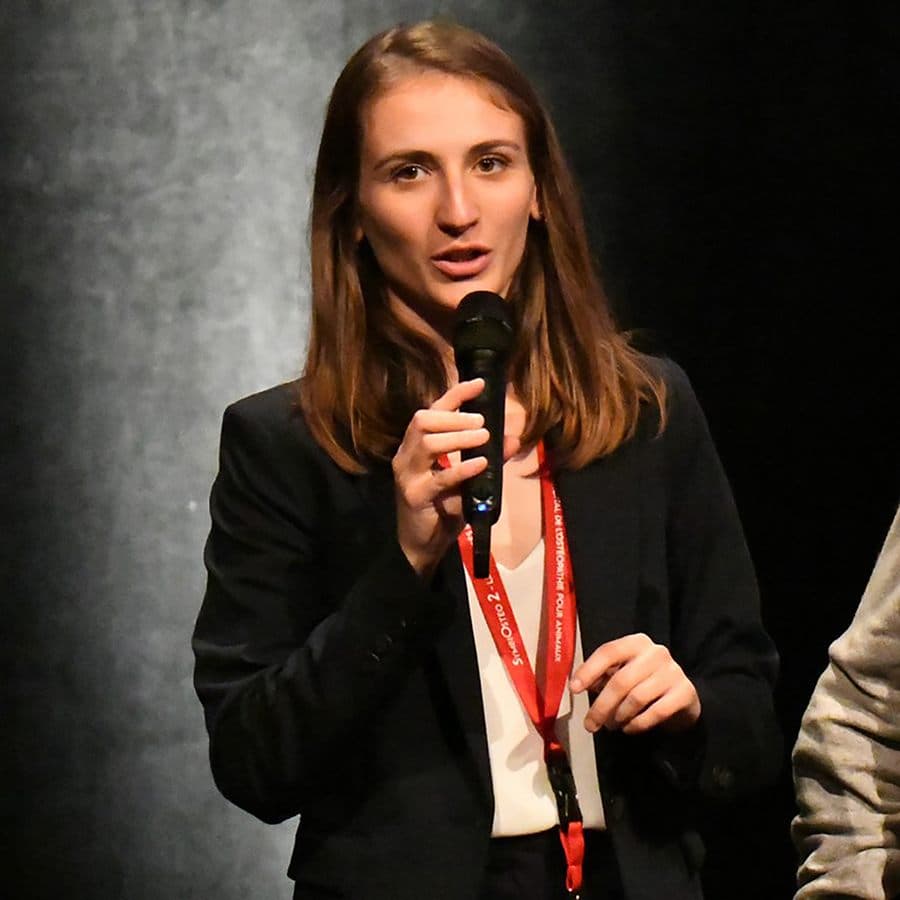
Throughout this complementary journey, I have developed a passion for interdisciplinarity, that is, collaboration between the various animal health professionals. I firmly believe that pooling our skills and approaches allows us to provide more complete care, tailored to each animal.
So, beyond my support in osteopathy, I always make sure to advise you and, where relevant, to direct you towards the professional best suited to your animal's specific needs.