Services
Consultations in animal osteopathy
Horses, dogs, cats, exotic pets and farm animals
Animal osteopathy session
A consultation in six steps
Case history — gathering information on your animal's health and creating your file
Discover DjookaEach consultation begins with a discussion to gather the essential information about your animal and the reason for the osteopathy session. Its medical history, lifestyle, behaviour, diet, activity and environment are all discussed in order to gain a comprehensive view of its situation.
This step allows your osteopath to place the animal within its living context and to tailor the clinical and osteopathic examination accordingly.
Your animal's file is then created and securely stored via Djooka, the digital health record dedicated to animals. You will find the consultation reports as well as the associated invoices there.
Locomotor and static examination
The consultation continues with a dynamic and static observation of your animal.
The analysis of locomotion allows the quality of movement, the symmetry of gaits and the range of motion to be assessed, as well as identifying any restrictions in mobility, compensations or gait irregularities.
The static observation complements this examination by looking for any postural imbalances, weight shifting, pain-related postures or bodily adaptations that may indicate functional discomfort.
The opportunity or exclusion diagnosis
A thorough palpatory examination is then carried out to confirm that your animal is indeed suitable for osteopathic care.
This step helps identify any warning signs requiring prior or complementary referral to your veterinarian. Osteopathy is always practised within the scope of its competence and as a complement to veterinary follow-up when this is indicated.
The osteopathic diagnosis
Using a precise manual examination, the osteopath assesses the mobility of the joints, muscles, fasciae, viscera, skull and various tissues of the body.
This overall assessment helps identify restrictions in mobility, functional adaptations and compensations that may contribute to the imbalances observed.
A summary is then presented and explained to you before the osteopathic treatment is carried out.
The osteopathic treatment
Treatment relies exclusively on manual techniques adapted to each animal, its species, age, activity and the reason for the consultation.
The aim is to restore optimal tissue mobility, improve the quality of movement, support the body's capacity for adaptation and contribute to the animal's functional comfort.
My practice draws on various complementary approaches: musculoskeletal, myofascial, tissue-based, visceral, fluid-based, cranial, reflex and tensegrity-based.
Post-session advice
At the end of the session, you will receive a report along with personalised recommendations tailored to your animal's needs.
This advice covers, among other things, rest management, the gradual resumption of activity, any recommended exercises, as well as points to watch for in the days following the consultation.
The aim is to promote optimal recovery and to place the care within an overall health and well-being approach, in collaboration with your veterinarian where necessary.
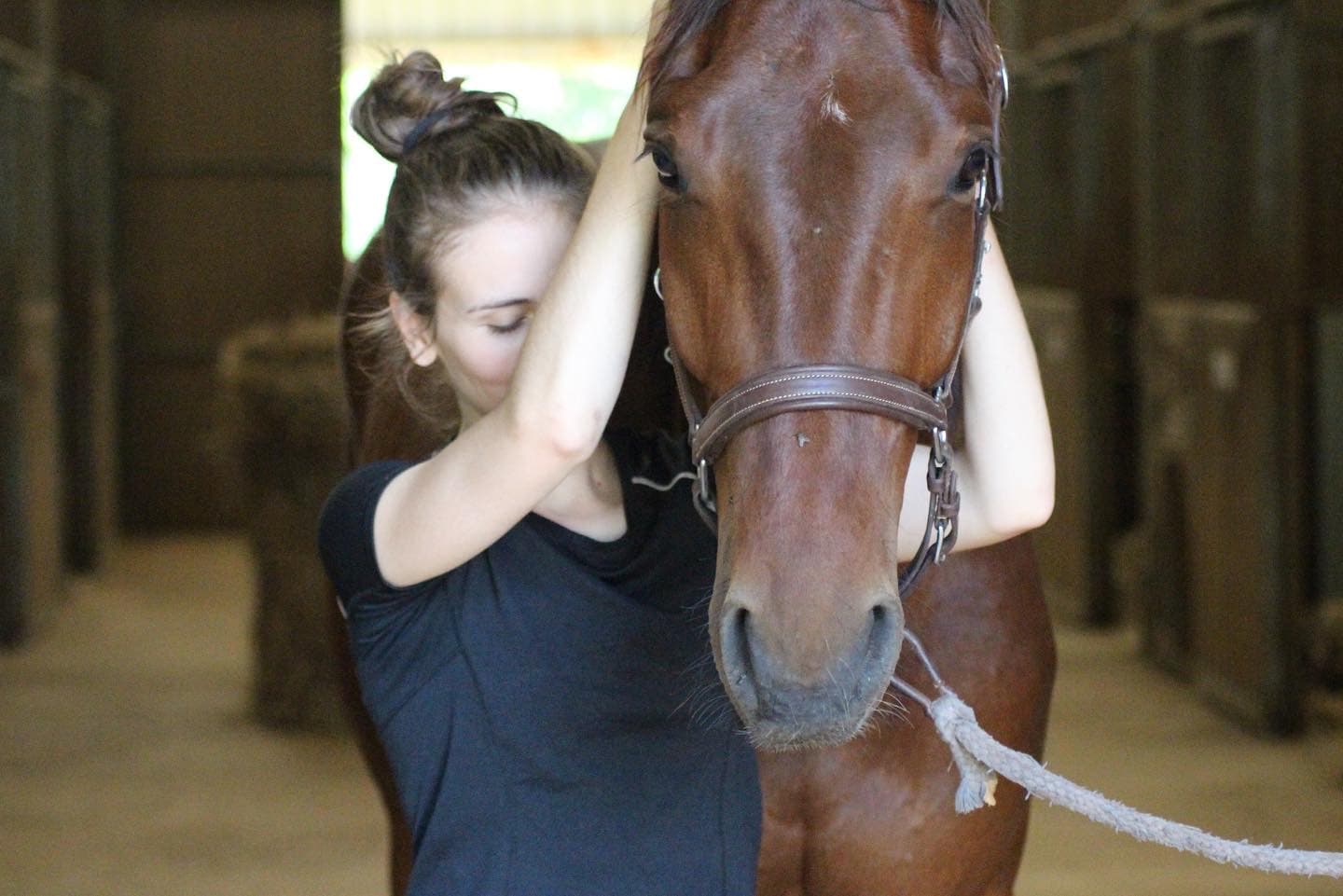
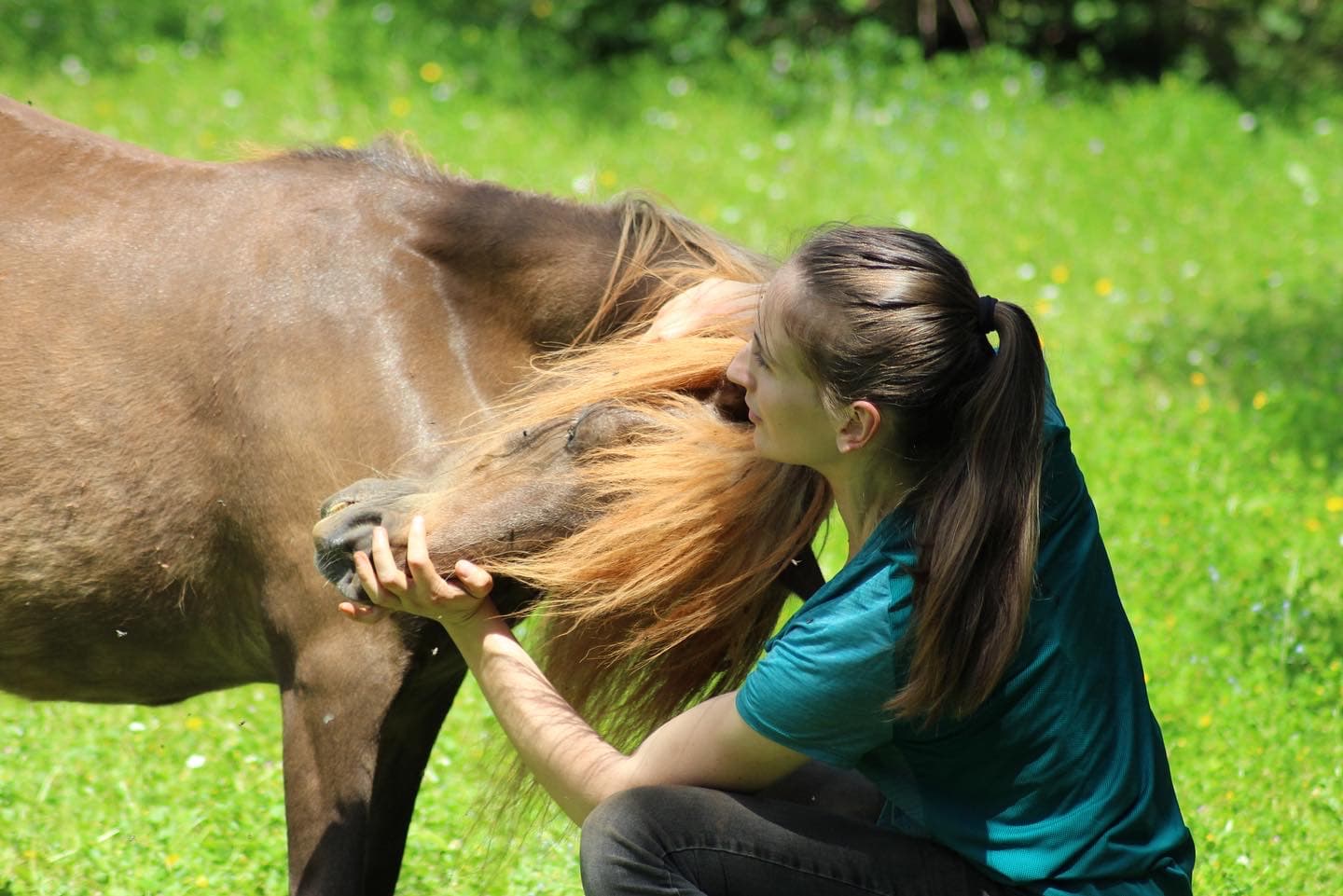
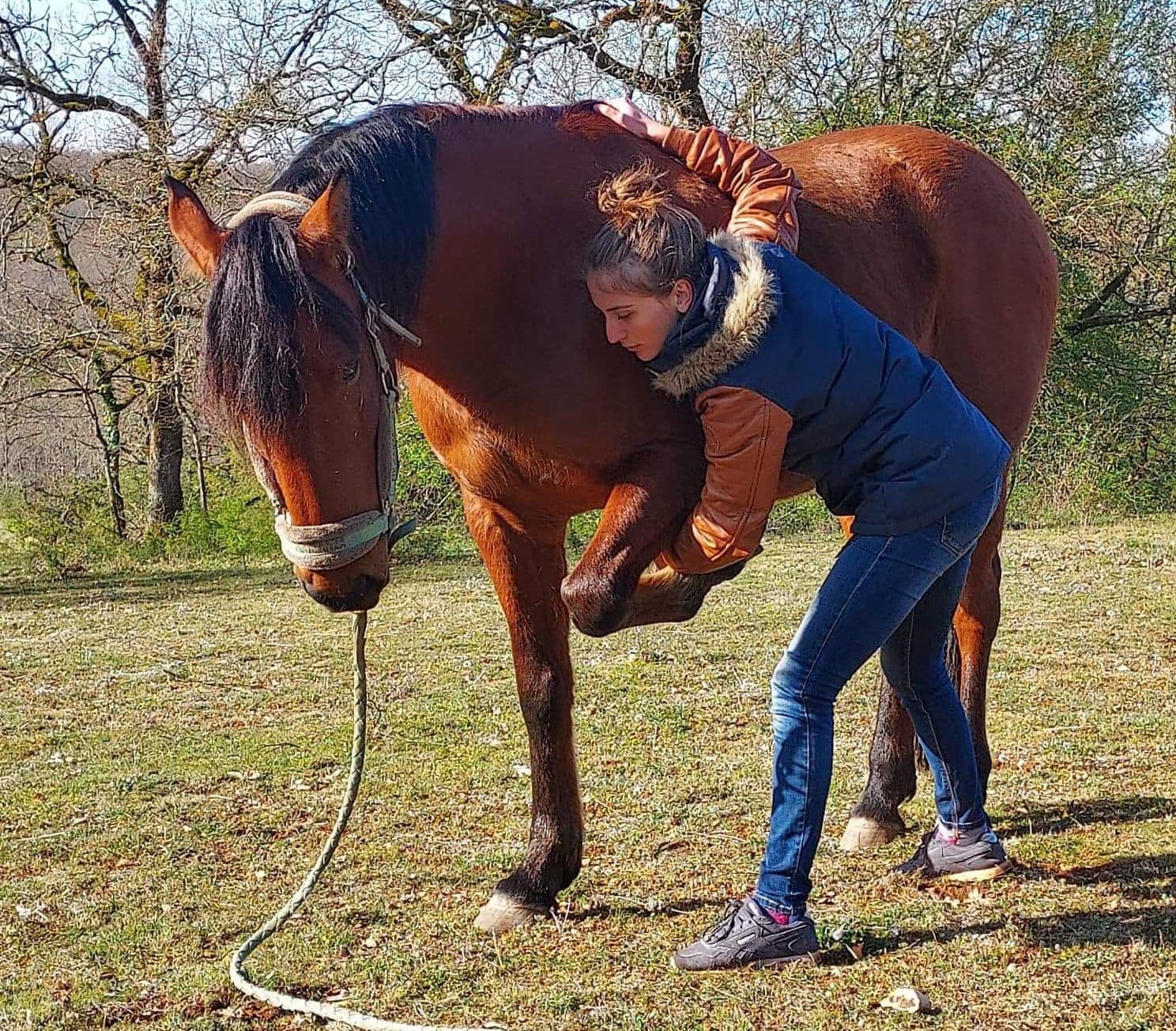
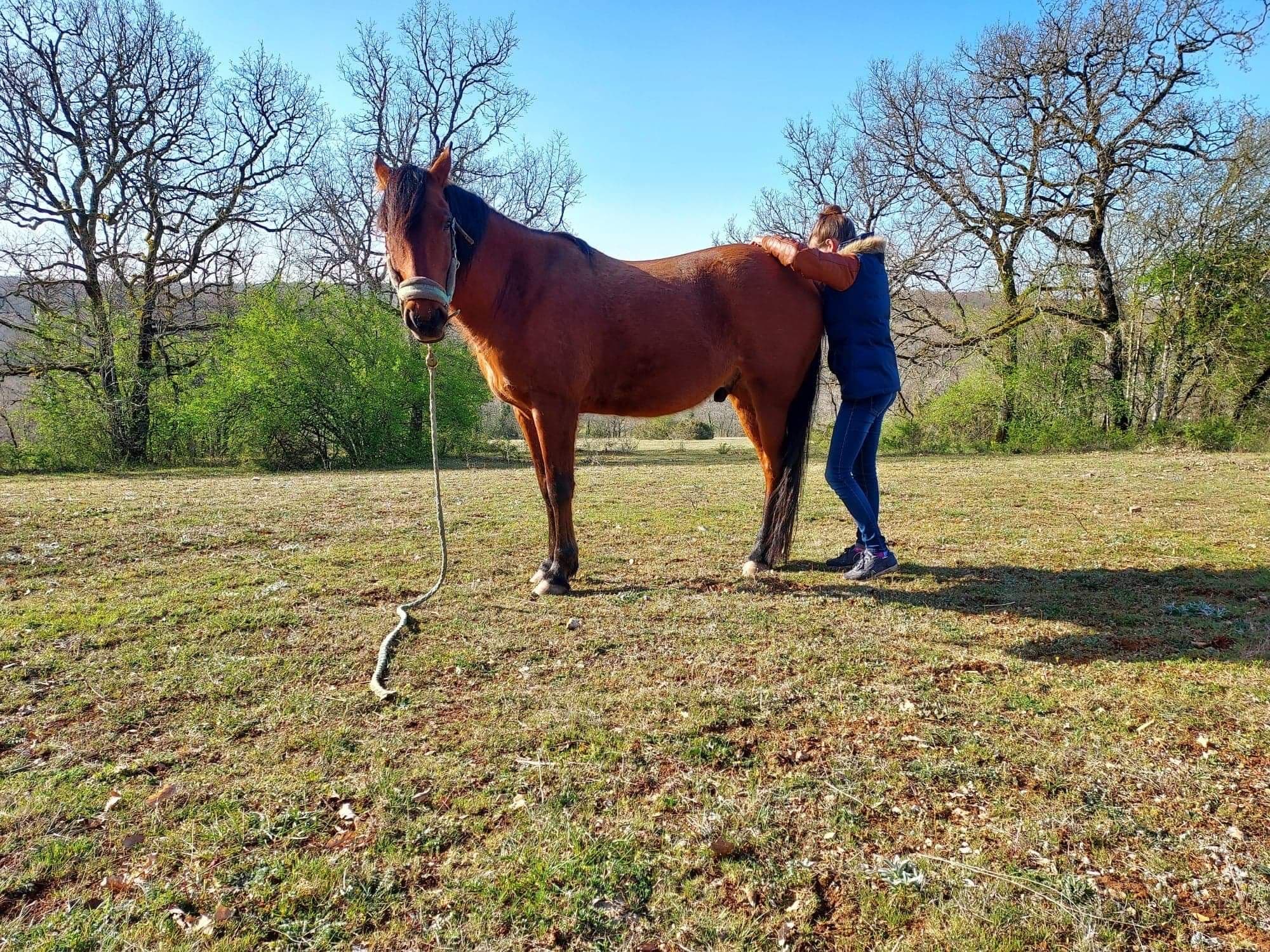
The different types of consultation in animal osteopathy
Support throughout your animal's life
Animal osteopathy can form part of your animal's overall care at various key moments:
Common reasons for consultation
Locomotor disorders are among the most common reasons for consulting an animal osteopath.
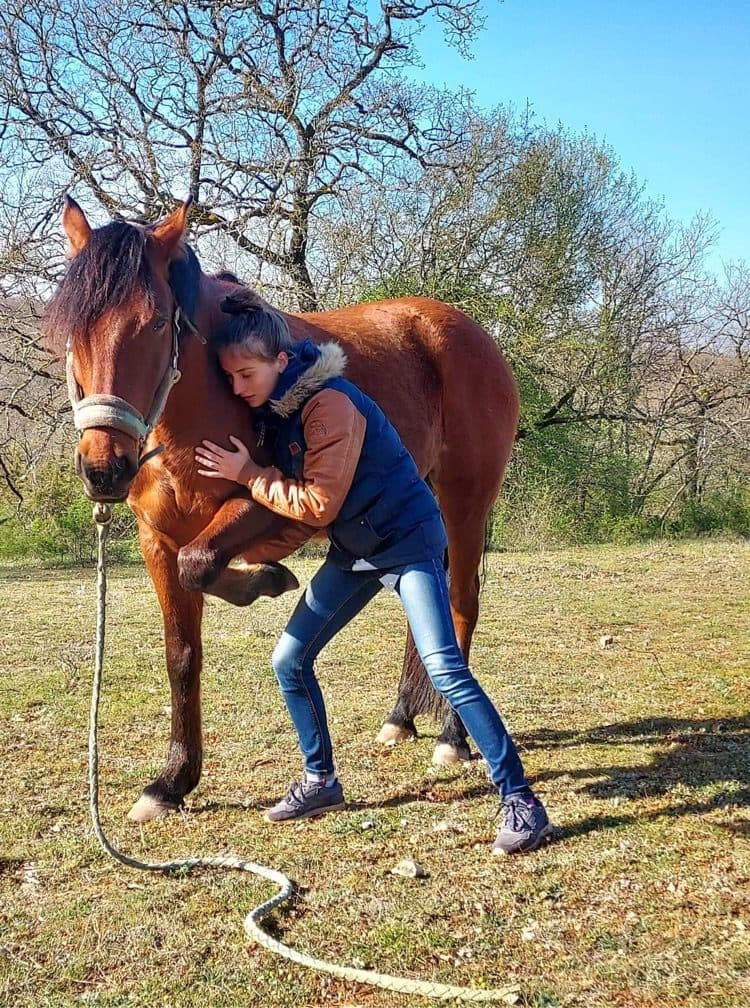
- Irregular gait
- Asymmetrical walk
- Moving sideways/crookedly
- Faulty conformation
- Muscular stiffness
Emotional and behavioural support
Alongside support from a trainer or veterinary behaviourist where necessary.
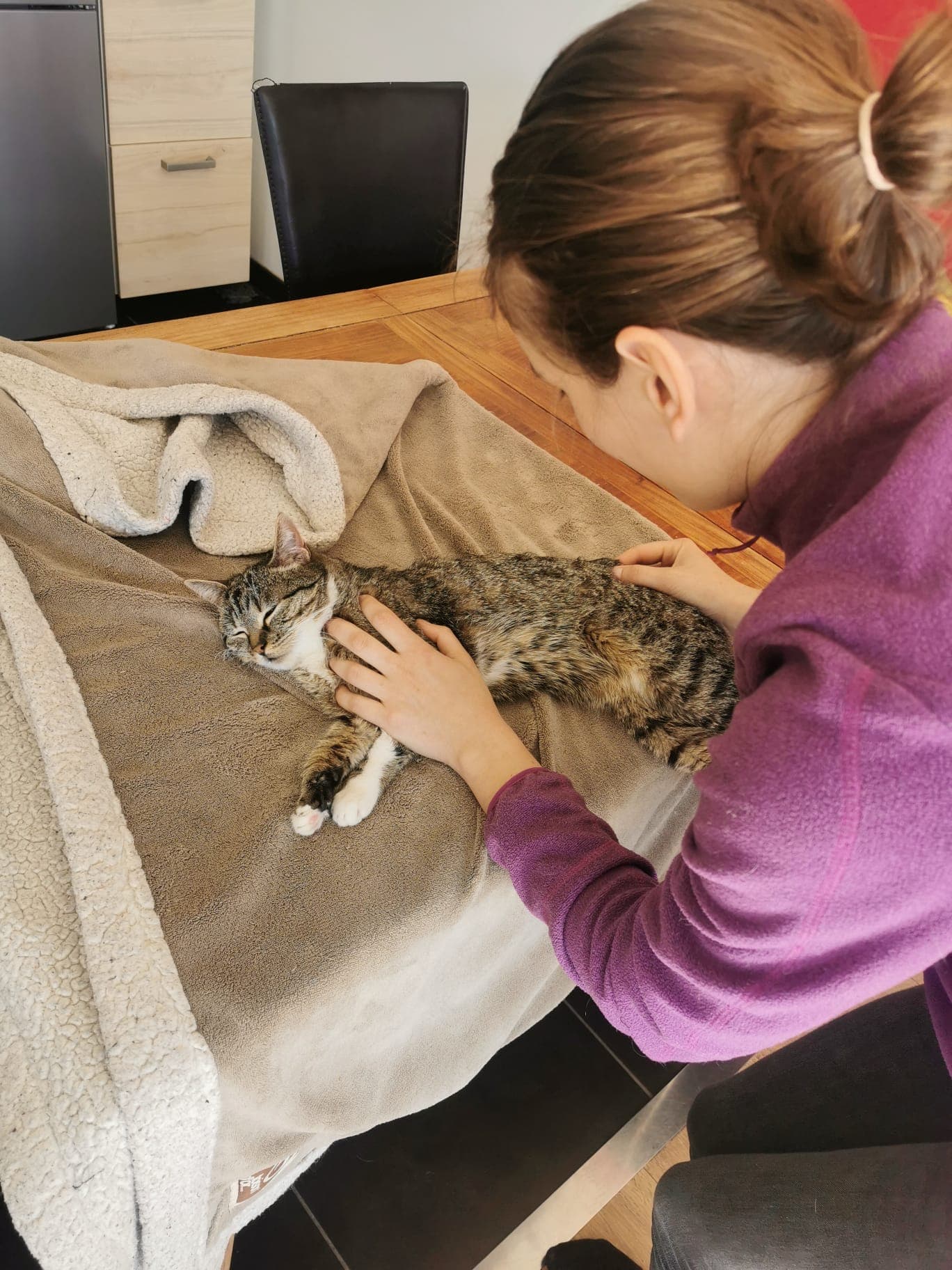
- Sudden change in behaviour
- Increased sensitivity, anxiety or unusual reactions
- Support following a stressful or traumatic event
- Adaptation during a change in lifestyle
- Difficulties linked to the loss of a companion animal or family member
Where animal osteopathy can act as a first port of call
Depending on your animal's state of health, we will let you know whether you need to see your vet first.
Animal osteopathy can be considered as a first-line approach only depending on your animal's state of health: a thorough telephone conversation will help confirm this; otherwise you will be referred to your vet.
- Sudden locomotor difficulties (back pain, lower back pain)
- Sudden irregularity without total loss of weight-bearing
- Arthritis flare-up
- Post-traumatic, non-injury related (fall, altercation between animals)
These same reasons can also be addressed with an osteopathy session following a visit to your vet. If in doubt, a prior assessment of pain is required to carry out the session under the best possible conditions.
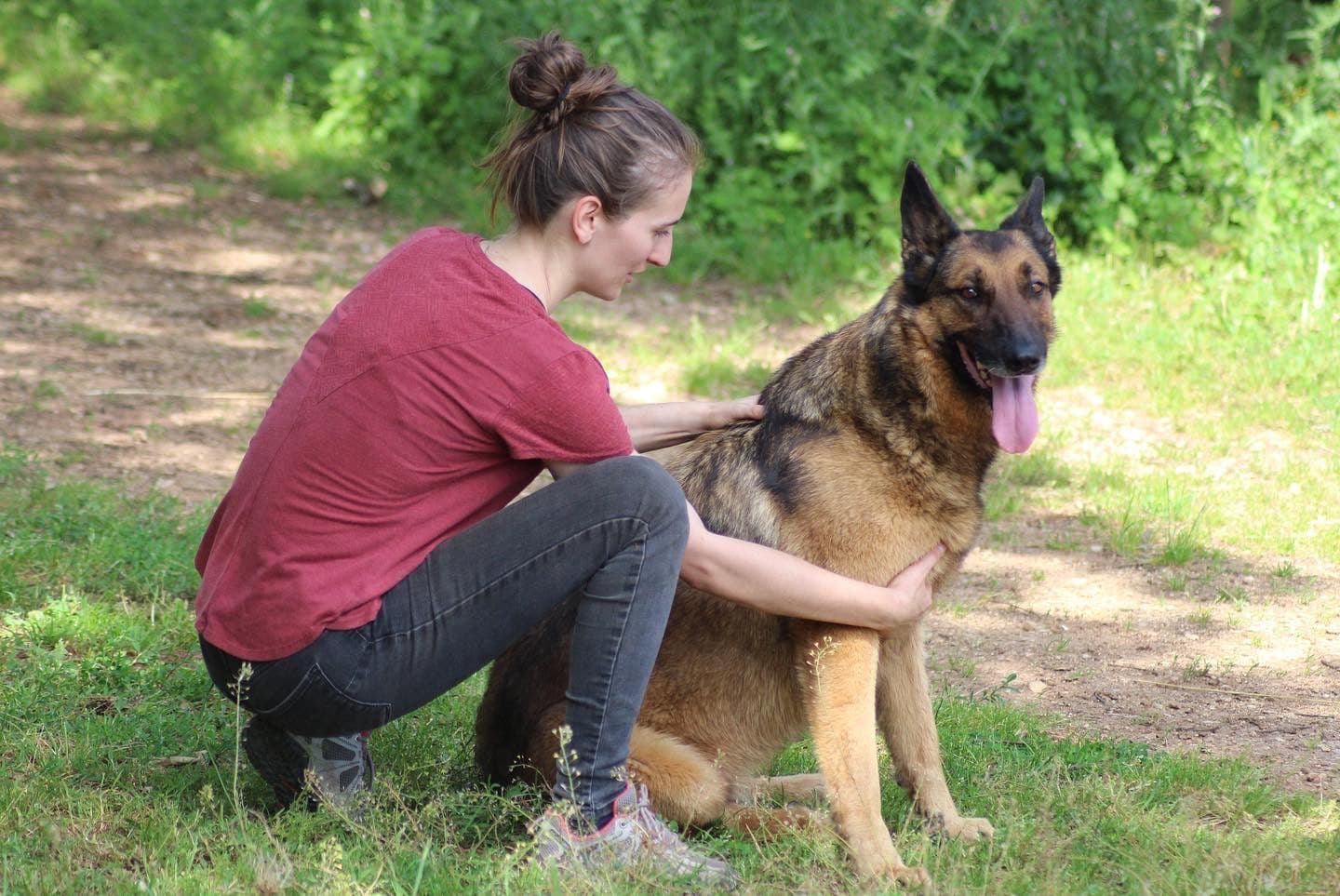
Osteopathy and support for chronic conditions
Animal osteopathy is provided as a complement to established veterinary care. It does not replace diagnosis or treatments prescribed by your vet.
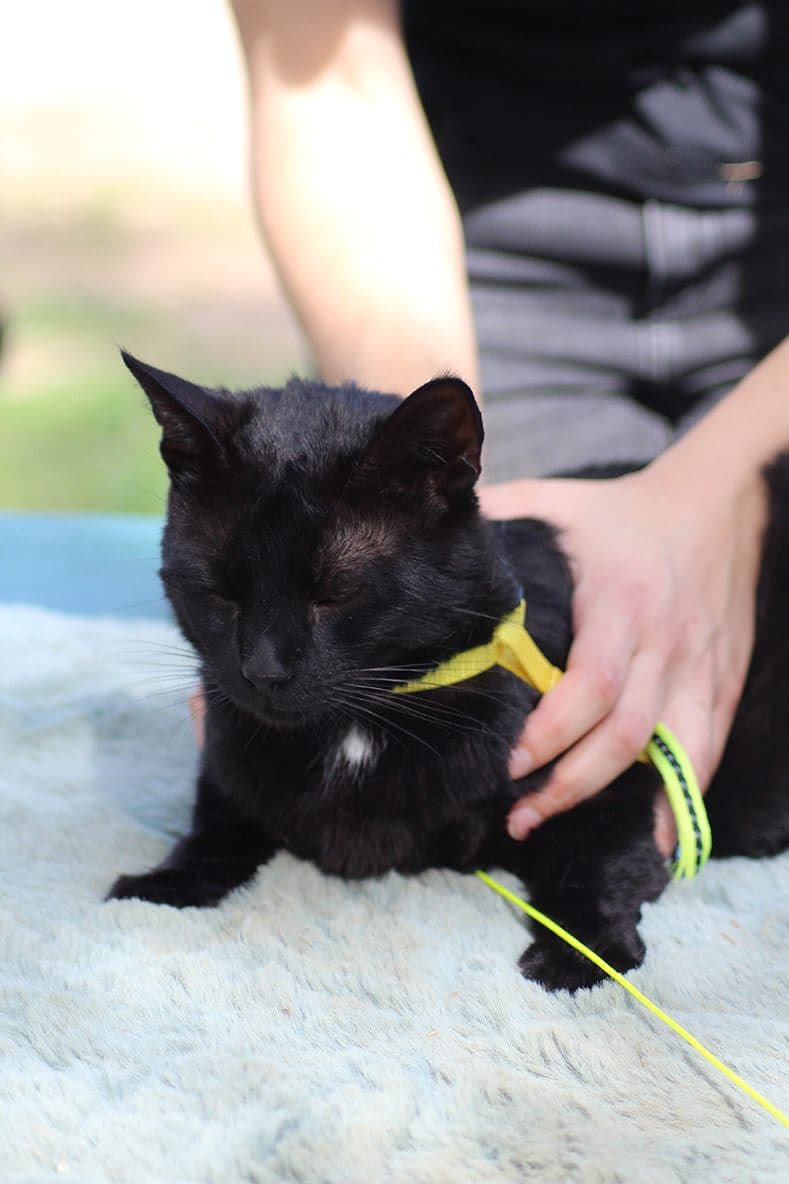
Towards improved comfort and quality of life
In certain situations, osteopathy can help fully or partially improve chronic, recurring disorders.
- Digestive disorders (chronic vomiting, diarrhoea)
- Respiratory disorders (coughing, asthma)
- External otitis
- Skin disorders (dermatitis, atopic dermatitis, localised depigmentation, pruritus)
- Poor healing (post-operative, licking wounds, self-mutilation)
- Certain cases of infertility
- Urinary incontinence (particularly following neutering)
Alongside veterinary care
Chronic conditions where animal osteopathy can provide comfort and/or support the care provided by your vet.
- Dysplasia
- Sprains and tendinitis
- Osteochondritis dissecans
- Chronic kidney failure
- Neurological disorders (disc herniation, stroke, ataxia, seizures, fibrocartilaginous embolism)
- Injured/amputee animals
- End-of-life animals (loss of balance, refusal to eat)
A collaborative approach to your animal's health and well-being
- The purple dots mark the towns visited regularly.
- The blue dots mark towns visited occasionally, beyond 1 hour 45 minutes' drive.
The animal osteopath can liaise with your treating vet, with your consent, to promote consistent care and share their observations.
As every animal is unique, a discussion will help assess the situation, answer your questions and guide you towards the most appropriate approach for your companion.
Areas covered
Main areas of intervention, approximately 1h45 by road around Toulouse, in the following départements:
- 31Haute-Garonne
- 81Tarn
- 82Tarn-et-Garonne
- 47Lot-et-Garonne
- 46Lot
- 32Gers
- 33Gironde
- 12Aveyron
- 09Ariège
- 11Aude
Other départements may be considered when organising rounds.
The different types of consultation for each species
What owners say
5.016 Google reviewsL'élevage du Haut Dagour (dogues allemands) fait une confiance totale en Marie ! Nos multi champions passent…
July 2026
En tant qu'éleveuse de Golden Retrievers, je recherchais une ostéopathe compétente, douce, à l'écoute, professionnelle…
July 2026
Marie suit ma jument depuis plus de 5 ans ainsi que mes deux chats et le chat de ma maman. Grâce à elle tous mes…
October 2025