Dogs · Cats · Exotic pets
Osteopathy for companion animals
Having grown significantly within the equine world, animal osteopathy now holds an increasingly important place in the care of companion animals. It can support dogs, cats and exotic pets throughout their lives.
Main coverage in departments 31, 81, 82, 47, 46, 32, 33, 12, 09 and 11. Other departments may be considered when tours are organised.
A fixed consultation location
Consultations can be carried out at home to respect your animal's habits and environment.
For the past 6 years, I have held consultations every Friday afternoon at the Val Dadou veterinary clinic in Graulhet (81). To book an appointment at this location, please contact the clinic directly on 05.63.34.51.52.
Common reasons for consultation in dogs
- Annual osteopathic check-up
- Support for sporting, working dogs or those with regular activity
- Preparation for competitions and recovery after exertion
- Support for neurological disorders (epilepsy, disc herniation, fibrocartilaginous embolism, wobbler syndrome, vestibular syndrome, etc.)
- Following trauma (fall, accident, altercation between animals…)
- Support following a stressful or traumatic event
- Following a change in lifestyle or adoption
- Behavioural changes
- Sociability difficulties (alongside support from a trainer or behaviourist where necessary)
- Signs linked to stress or discomfort, such as self-mutilation or excessive licking leading to areas of hair loss
- Monitoring during growth
- Monitoring of breeding animals (fertility, pregnancy, post-whelping)
- Locomotor disorders (lameness, stiffness, functional compensation…)
- Support following surgery
- Chronic digestive or respiratory disorders, alongside veterinary care
Common reasons for consultation in cats
- Annual osteopathic check-up
- Monitoring during growth
- Following trauma
- Support following surgery
- Following a change in lifestyle or adoption
- Support for neurological disorders (epilepsy, vestibular syndrome, etc.)
- Behavioural changes (less sociable cat, reduced interactions, difficulty jumping or moving…)
- Signs linked to stress or discomfort, such as excessive grooming leading to compulsive licking and areas of hair loss
- Monitoring of breeding females (pregnancy and post-birth)
- Locomotor disorders
- Digestive or respiratory disorders, alongside veterinary care
Some common reasons for consultation in exotic pets
- Behavioural changes
- Locomotor disorders
- Mobility difficulties
- Support for digestive disorders, alongside veterinary care
- Certain specific disorders such as encephalitozoonosis, vestibular disorders or head tilt in rabbits, following veterinary assessment
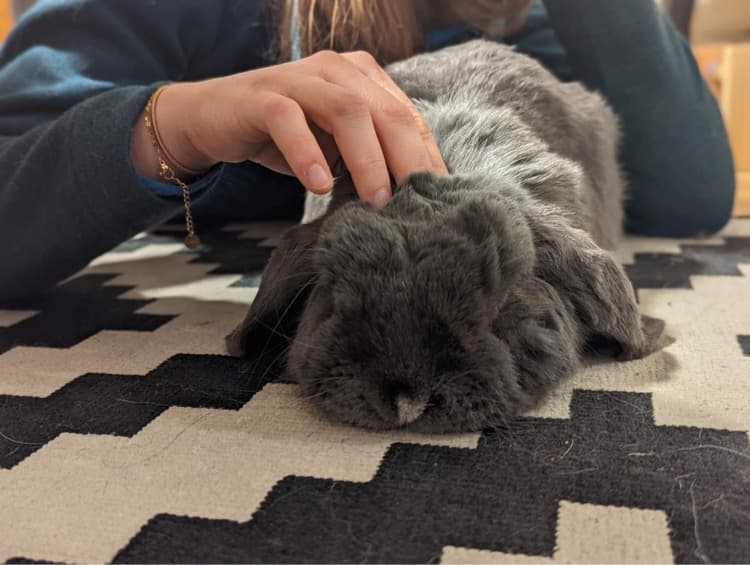
Rabbits and rodents
- Behavioural changes
- Locomotor disorders or movement difficulties
- Digestive disorders and transit disturbances, alongside veterinary care
- Support for disorders linked to hairballs (trichobezoars), alongside veterinary recommendations
- Feeding difficulties or suspected dental issues requiring veterinary assessment, particularly in cases of abnormal tooth growth or malocclusion
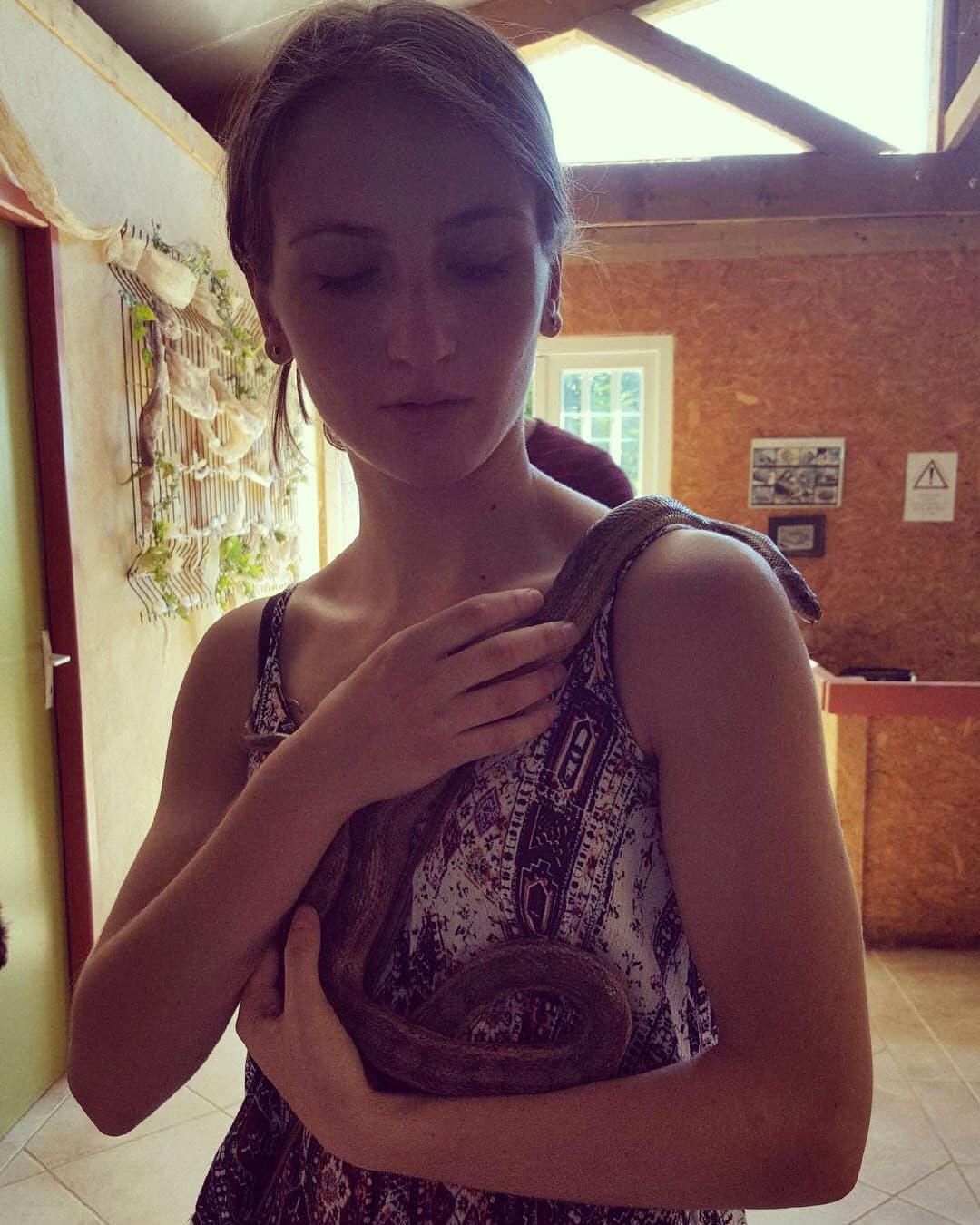
Reptiles
- Following trauma
- Behavioural changes
- Locomotor difficulties
- Inability or difficulty feeding
- Difficulties linked to shedding periods
- General support for comfort and functional adaptation, alongside specialist veterinary care where necessary
A holistic approach to your animal's wellbeing
Your animal's health and wellbeing rely on a holistic view combining various skills and essential factors. Animal osteopathy fits into this approach alongside:
- Veterinary medicine
- Appropriate dental care
- Physiotherapy and other suitable complementary approaches (acupuncture, shiatsu, massage)
- Grooming and maintenance care
- Suitable equipment (harness, accessories…)
- An environment respecting the animal's needs
- Appropriate social interactions with companion animals
- Behavioural education and support
- A suitable diet
The aim is to offer consistent, personalised care, placing the animal's comfort, health and wellbeing at the centre of priorities.